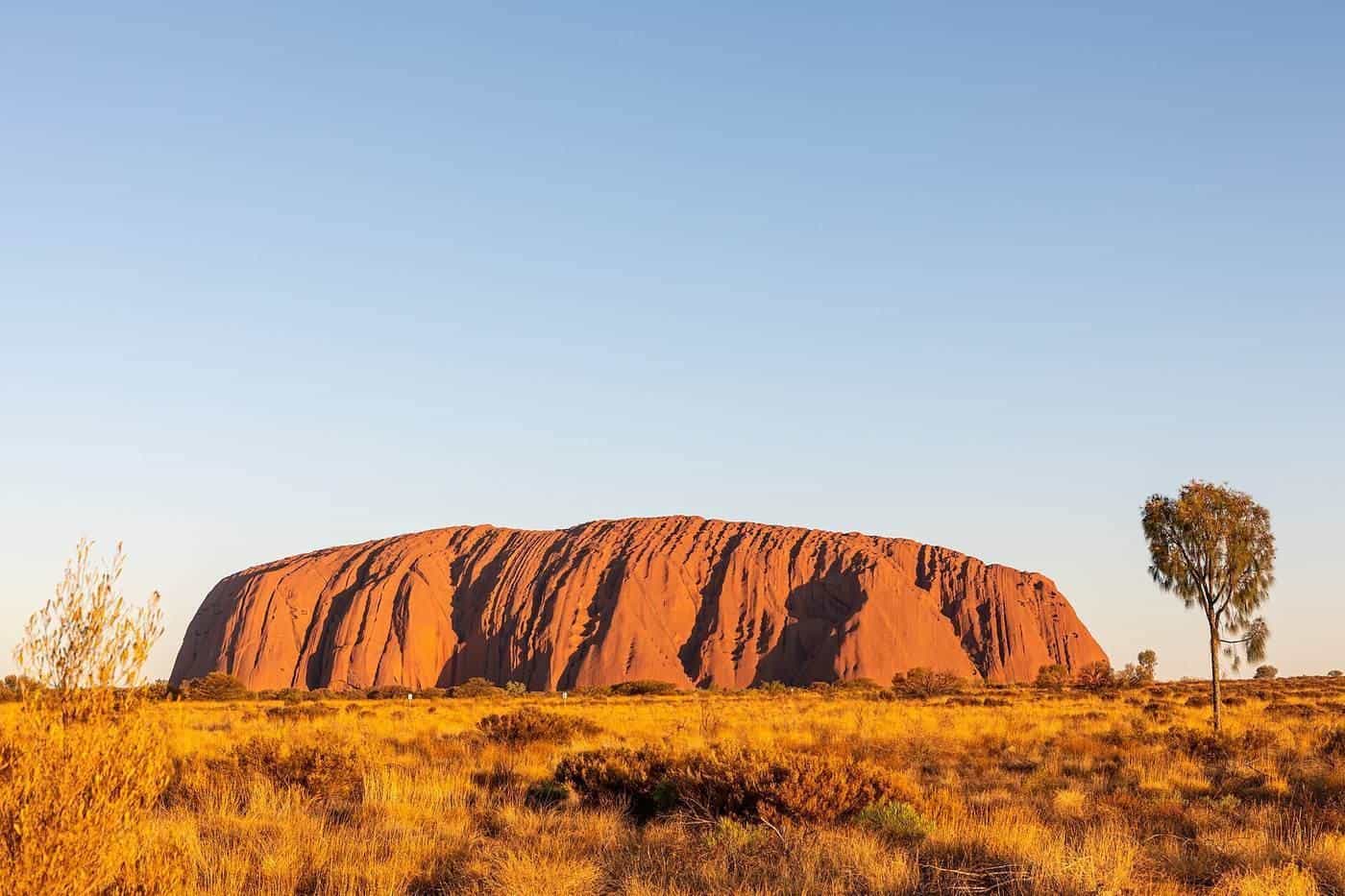
Australia's landscapes are made for exploring: red desert and ancient rock formations, rolling vineyards, coastal headlands and rainforest. Outdoor tours take you there with a guide who knows the country, the culture and the conditions. This section covers some of the most popular kinds of outdoor tour, along with the practical rules and safety advice that come with them. It draws on official sources including Parks Australia, Cancer Council Australia, healthdirect, the National Health and Medical Research Council (NHMRC) and the Civil Aviation Safety Authority (CASA).
The guides in this section
- Uluṟu tours covers when to go, getting there, park passes, the climb closure, park rules on drones, swimming and alcohol, types of tours, Kata Tjuṯa and the Cultural Centre.
- Sun and heat on tours explains UV, Cancer Council's five sun protection steps, using sunscreen properly, staying cool and recognising heat exhaustion and heatstroke.
- Wine and food tours helps you choose winery, brewery and food tours, explains tasting etiquette and standard drinks, and summarises the NHMRC's alcohol guidelines.
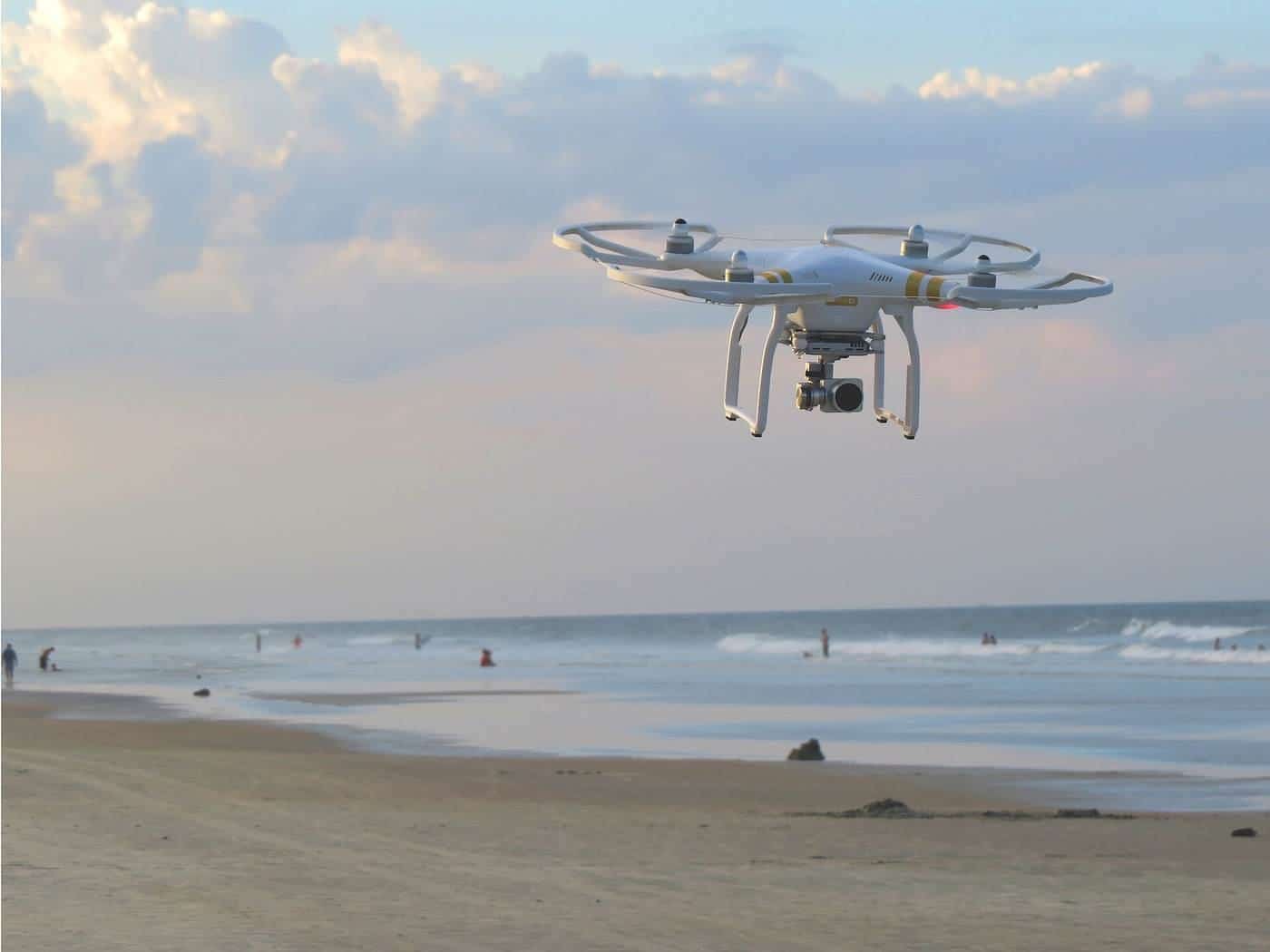
- Flying a drone on holiday summarises CASA's safety rules, airport restrictions, national park rules, wildlife distances and flying on tours.
Respecting country and culture
Many of Australia's most famous places have deep cultural significance for Aboriginal and Torres Strait Islander peoples. Uluṟu-Kata Tjuṯa National Park is jointly managed by its Traditional Owners, Aṉangu, and Parks Australia. Parks Australia says Uluṟu has been sacred to Aṉangu for tens of thousands of years, and the climb closed permanently on 26 October 2019. Visitors now explore around the base, at sunrise and sunset viewing areas, and at the Cultural Centre.
Wherever you go, follow signs, stay on marked tracks and listen to your guide. Tours led by Aboriginal guides, or that include cultural experiences, can add great depth to a visit.
The Australian sun
Australia's UV levels are high, and outdoor tours often mean hours in the sun. Cancer Council recommends using all five sun protection steps whenever the UV index is 3 or above: slip on clothing, slop on SPF50+ sunscreen, slap on a hat, seek shade and slide on sunglasses. Apply sunscreen 20 minutes before going outside and reapply every two hours.
Heat is a separate risk. In central Australia and many wine regions, summer temperatures can be extreme. Drink water regularly, plan walks for early morning and know the signs of heat illness. Heatstroke is a medical emergency: call Triple Zero (000).
Wine regions and responsible drinking
Australia has many wine regions within easy reach of cities, along with breweries, distilleries and food trails. A tour takes care of the driving, but tastings add up quickly. The NHMRC recommends healthy adults drink no more than 10 standard drinks a week and no more than 4 on any one day. Spitting or tipping is normal at cellar doors. Never drink and drive.
Drones and the outdoors
Drones are popular with travellers, but rules are strict. CASA's rules include flying no higher than 120 m, keeping at least 30 m from people and never flying over them, and keeping the drone in sight. Drones over 250 g must stay at least 5.5 km from controlled airports. Many parks need approval or ban drones entirely: Parks Australia says drones aren't allowed at Uluṟu-Kata Tjuṯa, and NSW national parks require approval from the National Parks and Wildlife Service.
Choosing an outdoor tour
Outdoor tours vary widely in pace and physical demands. Before booking, check:
- walking distances, terrain and how much time you'll spend on your feet;
- start times, especially for sunrise tours;
- whether park passes, water, meals and equipment are included;
- the guide's background and the group size;
- what happens in extreme heat or bad weather.
Our tour value comparer helps you compare tours by cost per activity hour.
What to pack for outdoor tours
- A broad-brimmed hat, sunglasses and SPF50+ sunscreen
- A large refillable water bottle
- Sturdy walking shoes
- Layers for cold desert mornings and evenings
- A fly net for the outback in warmer months
- Any medication you need
Time of day matters
On outdoor tours, timing often decides the experience. Early starts mean cooler temperatures, softer light and fewer crowds, which is why so many tours in the outback and the tropics leave around dawn. Sunset tours offer changing colours and a gentler end to the day, while the middle of the day is often hottest and harshest, especially in summer. When you compare tours, look at the start and finish times as well as the itinerary, and think about how they fit with the heat, your energy and the rest of your plans. A slightly less convenient early start can turn an exhausting day into a memorable one.
Accessibility
Many outdoor experiences can be adapted for people with limited mobility. Ask operators about vehicle access, walking surfaces, rest stops and accessible toilets. At many famous sites, paved paths and viewing areas let everyone enjoy the views.
Where to go next
Our planning guides cover choosing tours, consumer rights and insurance, and our reef and wildlife guides cover reef trips, snorkelling, stingers and whale watching.
About these guides
Day Tour Guide is independent. We don't run tours or sell bookings, and we don't rank operators. Our guides summarise official advice and link to the sources so you can check the details, which can change.
Guides in this section
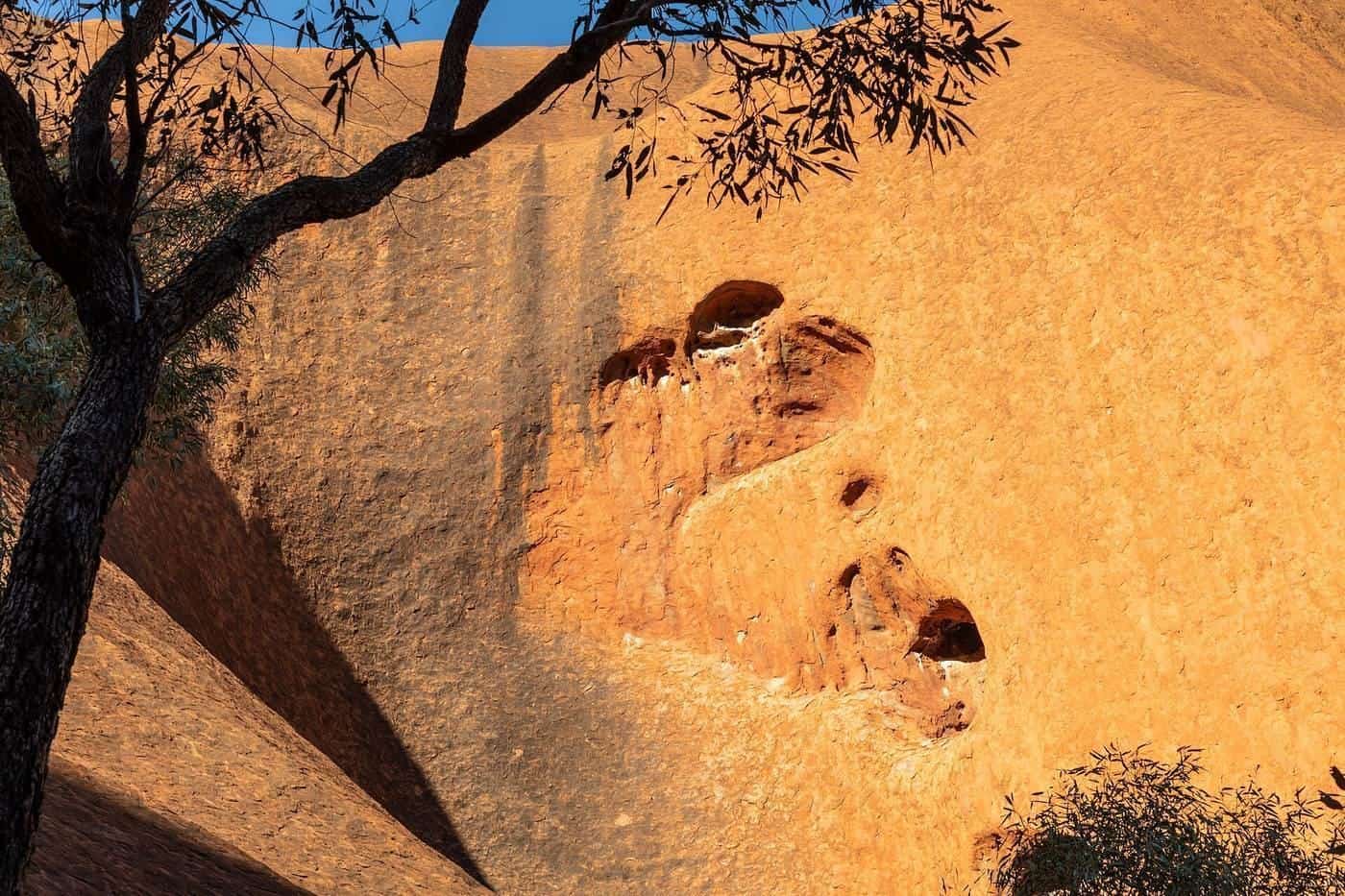
Outdoors
Uluṟu tours
Planning a tour to Uluṟu-Kata Tjuṯa: best season, park passes, the climb closure, drones, alcohol areas, heat safety and choosing a tour.
Read · 5 min
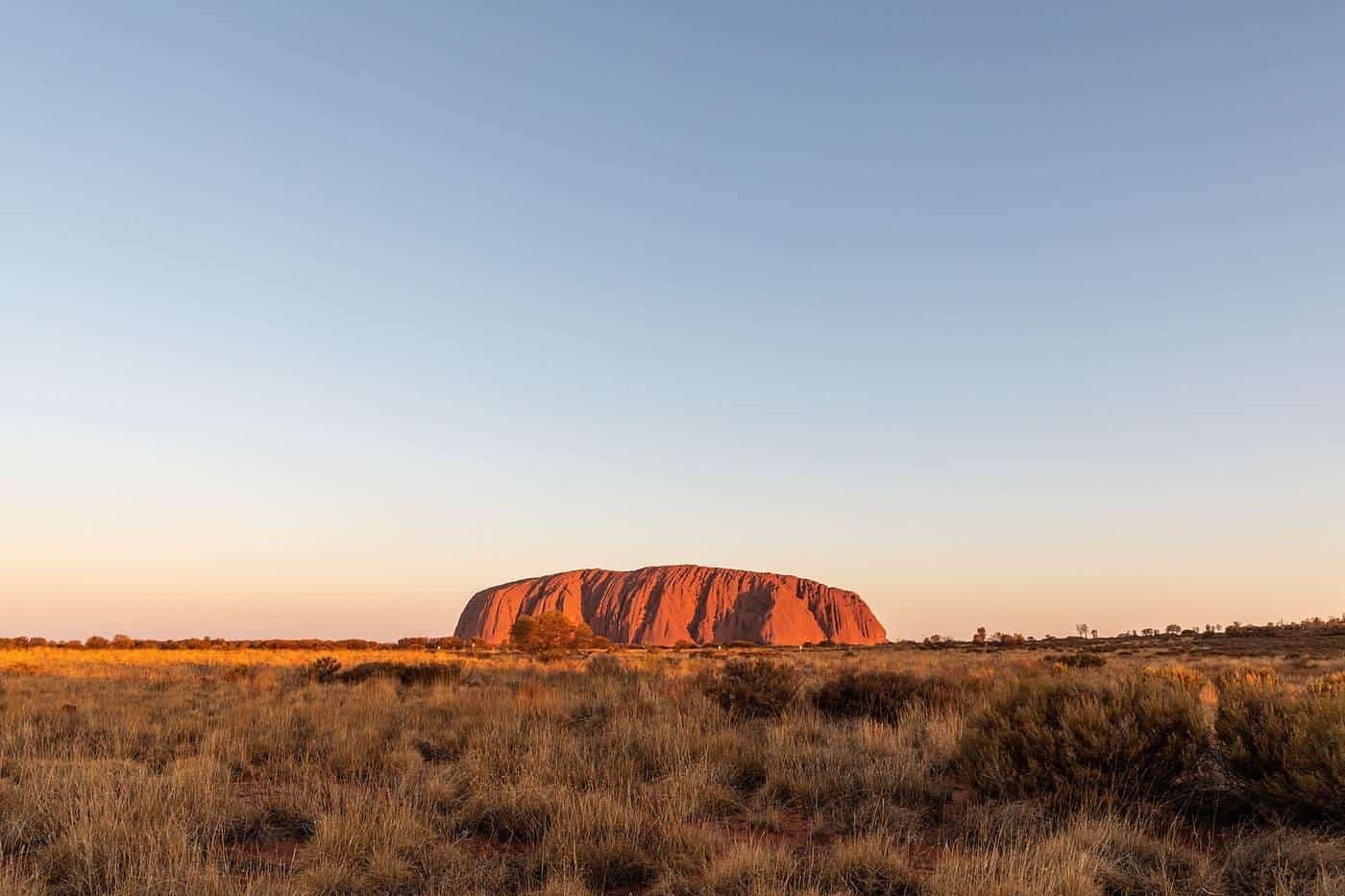
Outdoors
Sun and heat on tours
How to manage sun and heat on outdoor tours: the five sun protection steps, sunscreen use, hydration and recognising heat illness.
Read · 5 min
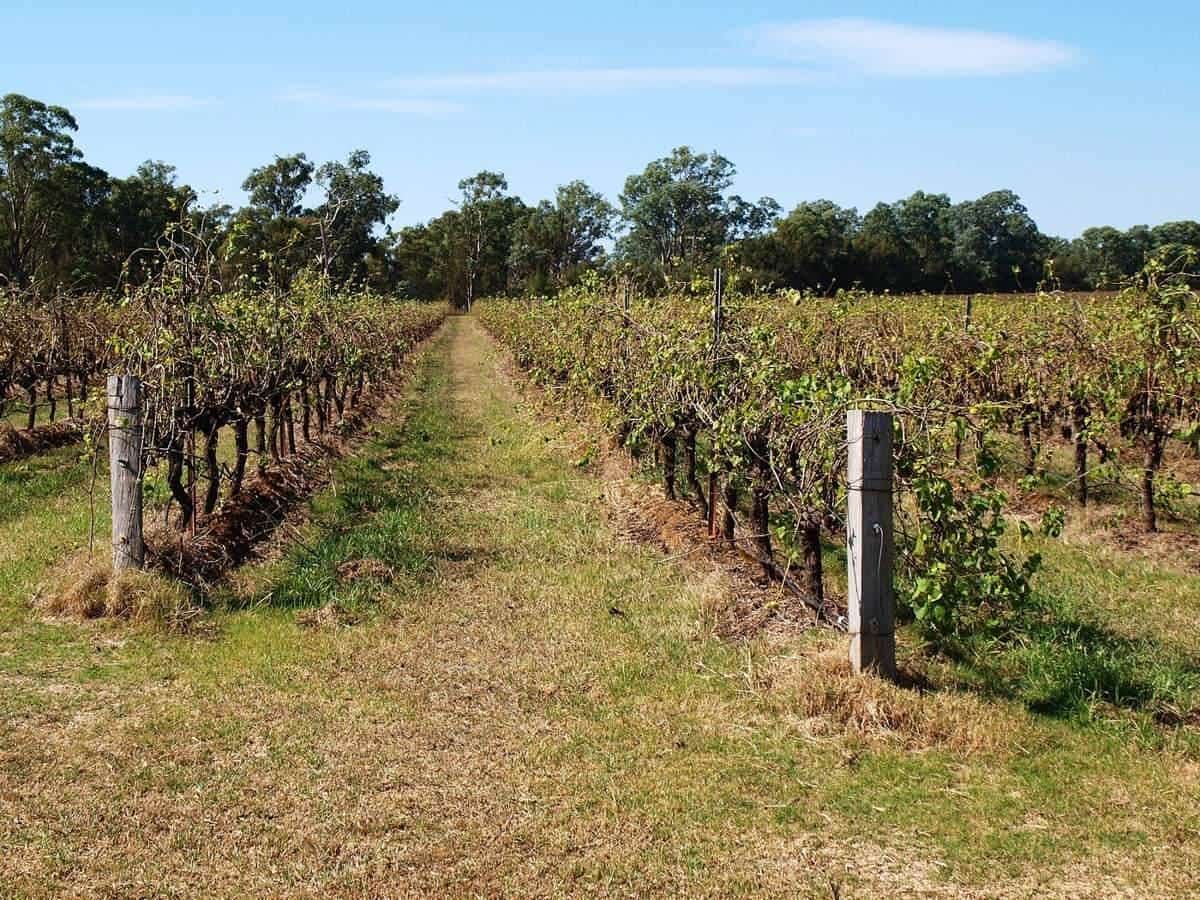
Outdoors
Wine and food tours
How to choose a wine, beer or food tour: transport, group size, inclusions, tasting etiquette, drinking guidelines and dietary needs.
Read · 5 min
Outdoors
Flying a drone on holiday
The drone rules travellers need: CASA’s safety rules, airports, national parks, wildlife distances, Uluṟu and flying on tours.
Read · 5 min
Frequently asked questions
Can you climb Uluṟu?
No. The climb closed permanently on 26 October 2019, and Parks Australia says penalties apply under the EPBC Act.
When should I use sun protection?
Cancer Council recommends using all five sun protection steps whenever the UV index is 3 or above.
How much should I drink on a wine tour?
NHMRC guidelines recommend healthy adults drink no more than 10 standard drinks a week and no more than 4 on any one day.
Can I fly a drone in national parks?
Often not without approval, and drones aren’t allowed at Uluṟu-Kata Tjuṯa. CASA’s rules also apply everywhere.
Sources and further reading
Facts on this page were checked against these primary and official sources. Conditions change — confirm before you travel or buy.
- Frequently asked questions — Parks Australia (Uluṟu-Kata Tjuṯa National Park)
- Uluṟu climb closure — Parks Australia (Uluṟu-Kata Tjuṯa National Park)
- Be SunSmart — Cancer Council Australia
- Hot weather risks and staying cool — healthdirect
- Alcohol — National Health and Medical Research Council
- Drone rules — Civil Aviation Safety Authority
- Drones in parks policy — NSW Environment and Heritage