For many people, snorkelling is the highlight of a trip to the reef or islands. It needs little training and anyone who can float can try it. But open-water snorkelling is more demanding than swimming in a pool: there may be currents, waves, cold water, unfamiliar equipment and the excitement of a new environment. Workplace Health and Safety Queensland (WHSQ) publishes a snorkel safety guide for tour operators and workers. This guide draws on it to explain the risks and how to reduce them.
About 1.1 million
People snorkel in Queensland
Each year, per WHSQ
Average of 5
Snorkellers die each year
At Queensland workplaces, per WHSQ
Most
Weren't using flotation
In the deaths reviewed by WHSQ
Understanding the risk
WHSQ's guide estimates that about 1.1 million people snorkel in Queensland each year and that an average of five snorkellers die each year in Queensland at workplaces, such as on commercial tours. Many of these deaths aren't caused by marine animals or accidents, but by medical events or drowning in otherwise calm conditions.
The guide names factors that increase the risk:
- cardiac (heart) conditions, whether known or not;
- being an older male;
- being an inexperienced or weak swimmer;
- limited English, which can make it harder to understand briefings or call for help.
It also notes that in most of the deaths reviewed, the snorkeller wasn't using a flotation device.
None of this means you shouldn't snorkel. It means you should take simple steps, especially if any of these factors apply to you.
Tell the crew about your health
Before you get in the water, tell the crew about:
- heart conditions, high blood pressure or chest pain;
- asthma or other lung conditions;
- epilepsy or a history of fainting;
- diabetes;
- recent illness, surgery or injury;
- medication you take.
Operators often ask snorkellers to complete a health questionnaire. Answer it honestly. The crew can suggest a flotation device, a guided snorkel or a calmer site, or keep a closer eye on you. If you have a heart or lung condition, talk to your doctor before the trip.
Use flotation
Flotation is one of the simplest ways to reduce risk. A flotation vest lets you float without effort, rest when you need to and stay at the surface if something goes wrong. WHSQ says vests (personal flotation devices) provide better support than noodles, particularly if a snorkeller panics. Many operators provide vests or noodles free of charge.
Even strong swimmers benefit from flotation in open water. Snorkelling uses energy, especially against a current or when you're excited or anxious, and fatigue can creep up.
Getting comfortable with the gear
Many problems start with equipment: a mask that leaks or fogs, a snorkel that floods, or fins that rub. Before you swim away from the boat:
- check your mask fits by pressing it to your face without the strap and breathing in gently through your nose; it should stay in place;
- practise breathing through the snorkel while holding onto the boat's ladder or a line;
- learn how to clear water from your snorkel by blowing out sharply;
- put on fins at the water's edge or on the platform, as instructed.
If you wear glasses, ask whether prescription masks are available.
Listen to the briefing
Operators give a safety briefing before snorkelling. It usually covers:
- where you can snorkel and where the boundaries are;
- how to signal for help, often by raising and waving an arm;
- where the lookouts are;
- currents and conditions at the site;
- reef etiquette and marine life.
If you don't understand the briefing, ask the crew to explain again. WHSQ notes limited English is a risk factor, and many operators have multilingual briefings or picture cards.
Snorkel with a buddy
Stay with a buddy and check on each other regularly. Agree on simple signals, such as OK, help and back to the boat. If you lose your buddy, look up, find each other and regroup.
Pace yourself
Snorkelling can be surprisingly tiring. To avoid exhaustion:
- swim slowly and float often;
- don't swim against a current; signal for help if you're drifting;
- return to the boat before you're tired;
- take breaks to rest, rehydrate and warm up;
- avoid alcohol before and between snorkels.
If you feel short of breath, dizzy, unwell or have chest pain, stop, roll onto your back, signal for help and get out of the water.
Cold, sun and stingers
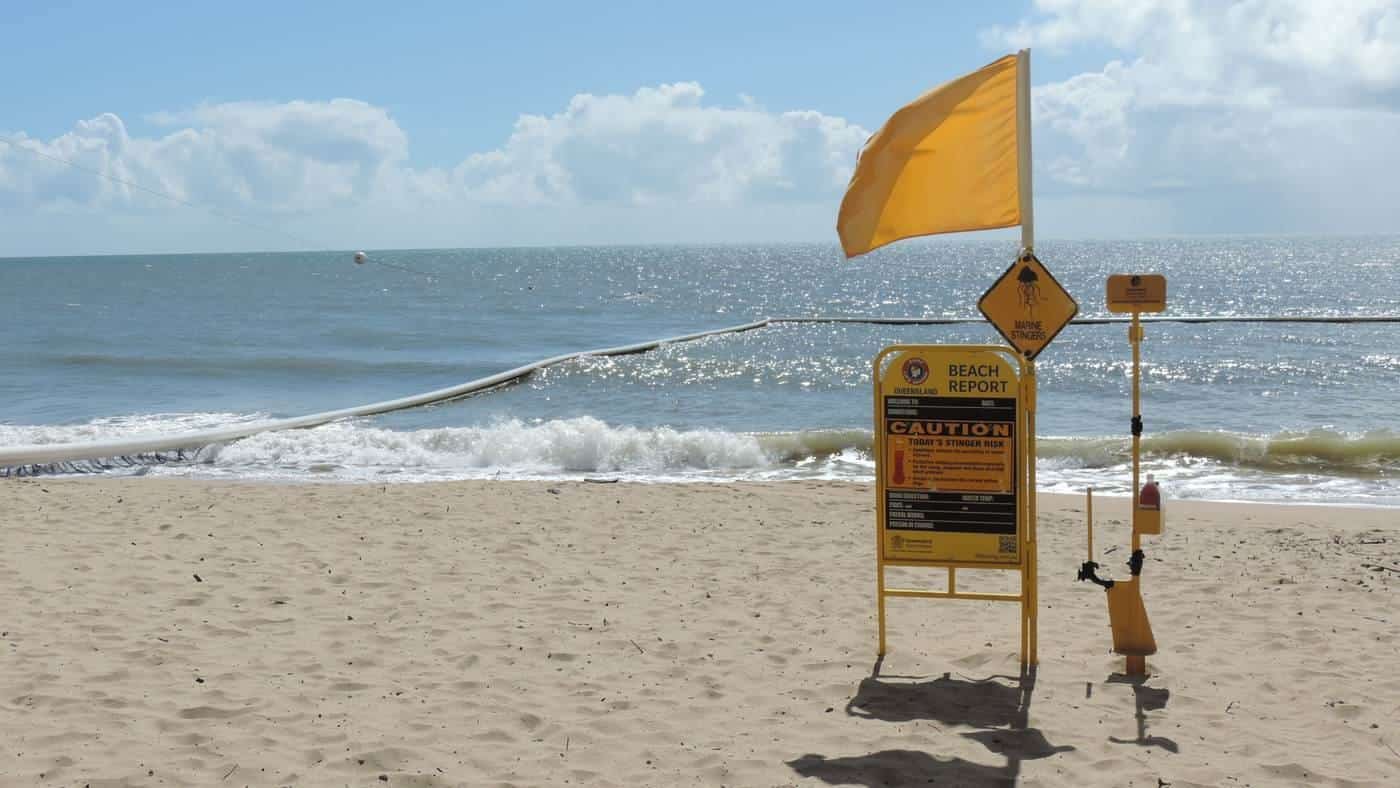
Even in the tropics, you can get cold after a long time in the water, which makes you tired and clumsy. Wetsuits or stinger suits help. In tropical Queensland, the Queensland Government says marine stingers such as box jellyfish and Irukandji are present all year, with higher risk from November to May. Wear a full-body lycra stinger suit in tropical waters. If someone is stung, call Triple Zero (000) and follow the crew's first aid. See our guide to marine stingers and crocodiles.
Free diving and breath-holding
Diving under the surface on a held breath is popular, but it carries extra risks, including blacking out underwater. If you're not trained, stay at the surface. Never hyperventilate before a dive, and never free dive alone.
Protecting the reef while you snorkel
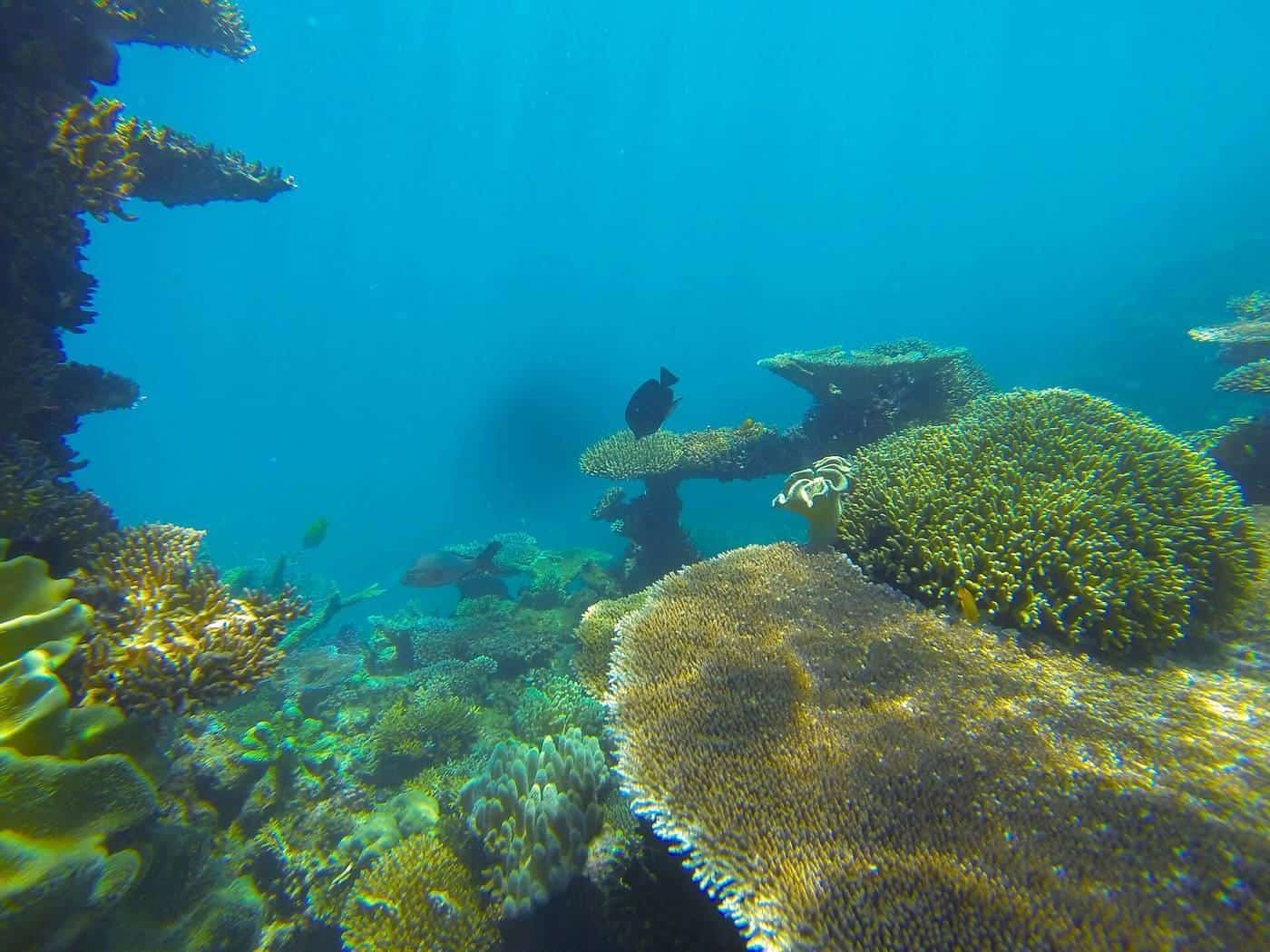
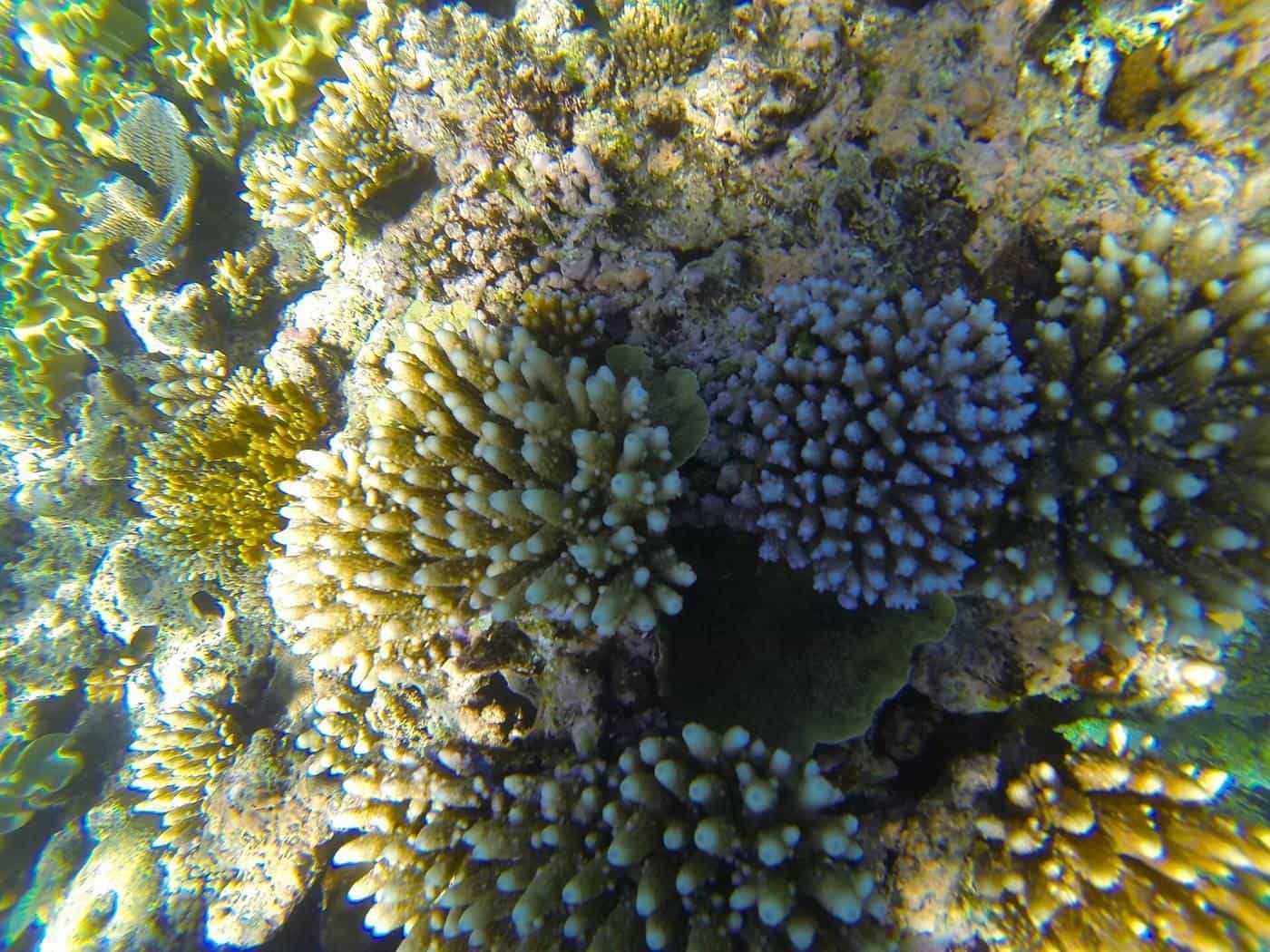
Safe snorkelling and reef care go together. The Great Barrier Reef Marine Park Authority's Responsible Reef Practices ask snorkellers not to stand on, touch or kick coral, to watch their fins, and to stay more than a metre from giant clams. Floating with a vest makes it much easier to stay off the coral.
Children and snorkelling
Children should be supervised closely in the water. Choose operators with child-sized gear and flotation, and stay within arm's reach of young children. See our guide to tours with kids.
Snorkel safety checklist
- Tell the crew about any medical conditions.
- Use a flotation vest.
- Check your mask and snorkel before leaving the boat.
- Listen to the briefing and learn the help signal.
- Snorkel with a buddy and stay in the marked area.
- Wear a stinger suit in tropical waters.
- Rest often and get out if you feel unwell.
Getting in and out of the water
Entering and leaving the water is when many snorkellers struggle, particularly from a boat in a swell. Follow the crew's instructions about where and how to enter, whether by stepping off a platform, sliding in or climbing down a ladder. Put your mask on before you enter so you can see, and hold your mask and snorkel in place with one hand if you step in. When you return, take off your fins only when told to, and hold the ladder firmly. Waves can move the boat and ladder up and down, so wait for a calm moment and climb steadily. If you find it hard, ask the crew for help; they do this all day.
If you see someone in trouble
Signs that a snorkeller is in trouble include lying still face-down, struggling at the surface, losing equipment or failing to respond to a buddy. Raise the alarm straight away by signalling the lookout and shouting. Don't put yourself at risk; the crew is trained to respond.
Key points
- WHSQ says an average of five snorkellers die each year at Queensland workplaces.
- Heart conditions, older age in men, weak swimming and limited English increase the risk.
- Most snorkellers who died weren't using flotation, so wear a vest.
- Tell the crew about your health, listen to the briefing and snorkel with a buddy.
- Stop and signal for help if you feel unwell.
Frequently asked questions
Is snorkelling dangerous?
Most snorkellers have a safe, enjoyable time, but deaths do happen. WHSQ’s snorkel safety guide says an average of five snorkellers die each year at Queensland workplaces.
Who is most at risk while snorkelling?
WHSQ lists people with cardiac conditions, older males, inexperienced or weak swimmers, and people with limited English among higher-risk groups.
Should I wear a flotation device?
Yes, it’s strongly recommended. WHSQ says most snorkellers who died weren’t using flotation, and that vests give better support than noodles.
Should I tell the crew about my health?
Yes. Tell the crew about heart, lung or other medical conditions, recent illness and medication before you get in the water.
What should I do if I feel unwell in the water?
Stop, float on your back with your flotation, signal for help as shown in the briefing and return to the boat. Don’t push on if you feel short of breath or unwell.
Sources and further reading
Facts on this page were checked against these primary and official sources. Conditions change — confirm before you travel or buy.
- Snorkel safety: a guide for workers (PDF) — Workplace Health and Safety Queensland
- Dangerous marine life — Queensland Government
- Responsible Reef Practices — Great Barrier Reef Marine Park Authority