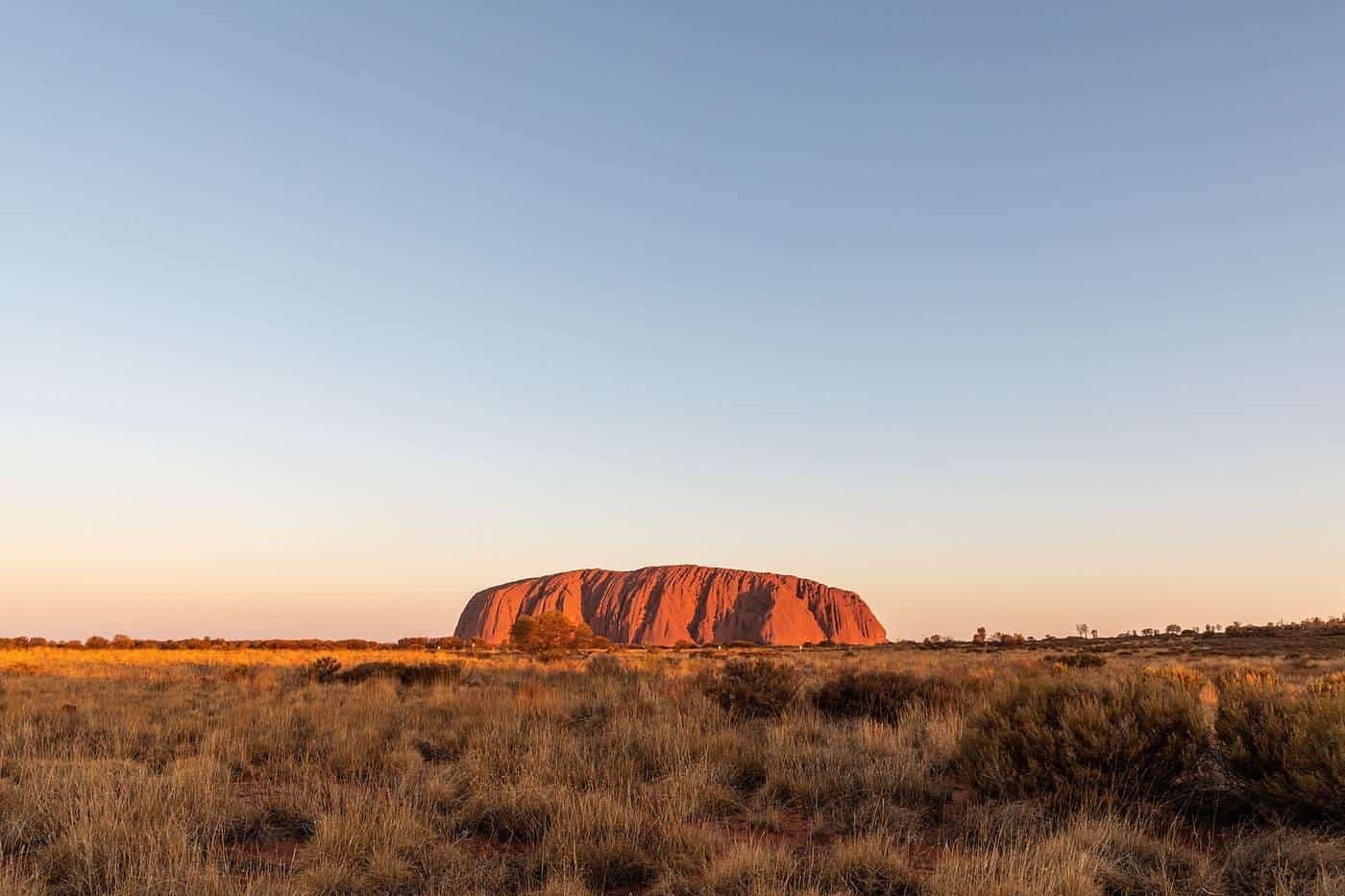
Uluṟu-Kata Tjuṯa National Park, in the heart of the Northern Territory, is World Heritage-listed for both its natural and cultural values. It's jointly managed by its Traditional Owners, Aṉangu, and Parks Australia. Many visitors explore on tours, from sunrise and sunset viewings to guided walks, cultural experiences and multi-day trips from Alice Springs. This guide explains how to plan, what the park rules say and how to choose a tour, based on Parks Australia's guidance.
26 Oct 2019
Climb closed
Permanently, per Parks Australia
May–Sep
Coolest months
The park is open all year
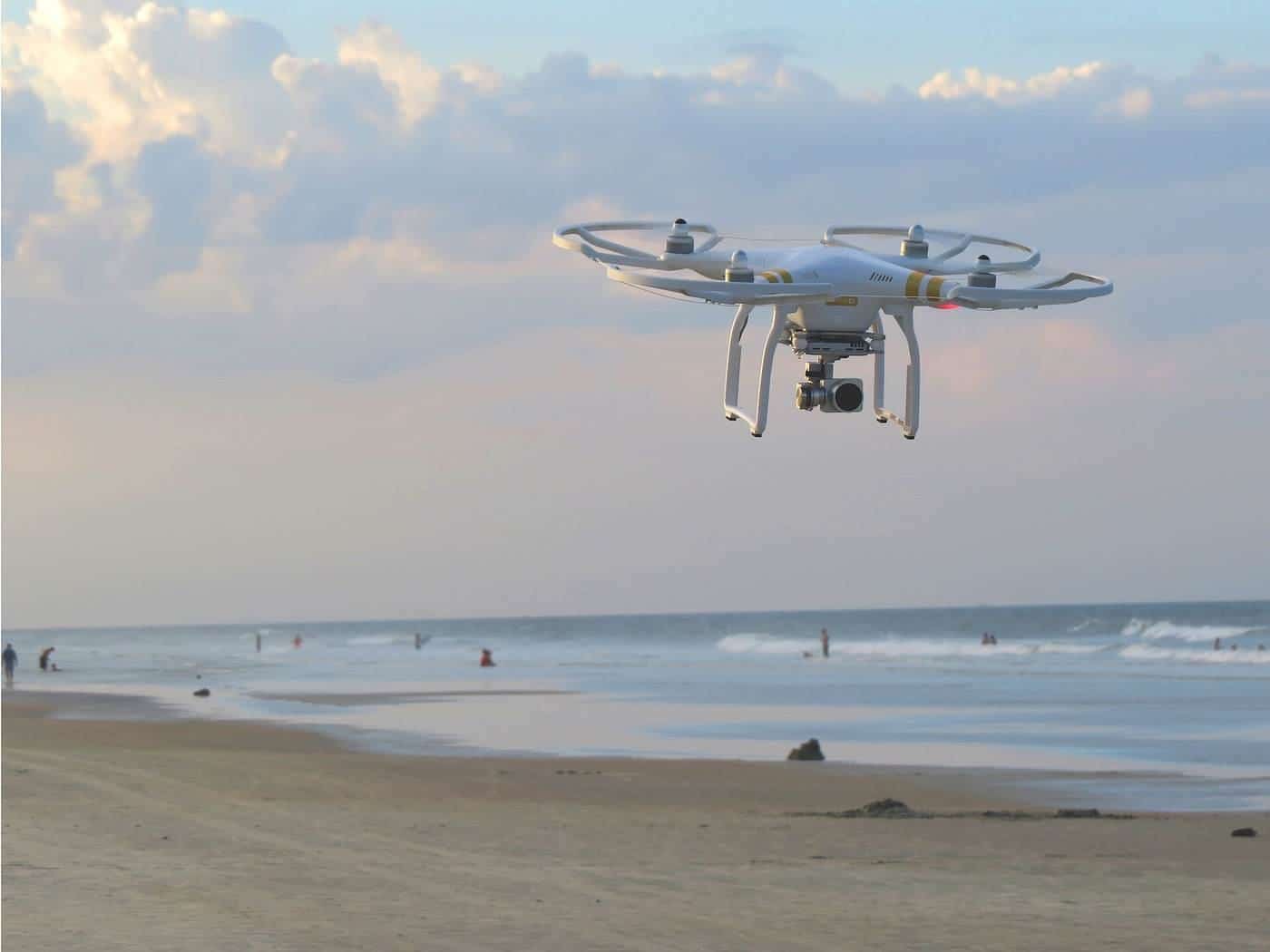
No drones
In the park
An offence under the EPBC Act without a permit
When to go
The park is open all year round. Parks Australia says the weather is coolest between May and September. Summer days can be extremely hot, so check the park's website and alerts for any walk closures before you go. Winter nights in the desert can be cold, so pack warm layers for sunrise tours.
Getting there
Most visitors fly to the airport near Yulara, the resort town just outside the park, or drive from Alice Springs. Parks Australia says the road from Alice Springs is fully paved, and all roads inside the park can be driven in a standard two-wheel-drive vehicle. A 4WD is recommended if you're driving from Western Australia. If you use the Great Central Road from Western Australia, you need permits from the Central Land Council because it passes through Aboriginal land.
The resort is outside the park, about a 10-minute drive from the entry station. Camping isn't permitted inside the park; there's a campground at the resort and another at Curtin Springs, about 100 km away.
Park passes
You need a park pass to enter. Parks Australia recommends buying your pass online before you arrive and using the pre-paid lane at the entry station. It says all park pass revenue is invested back into the park. Many tours include the pass in their price; check before buying your own.
The climb closure
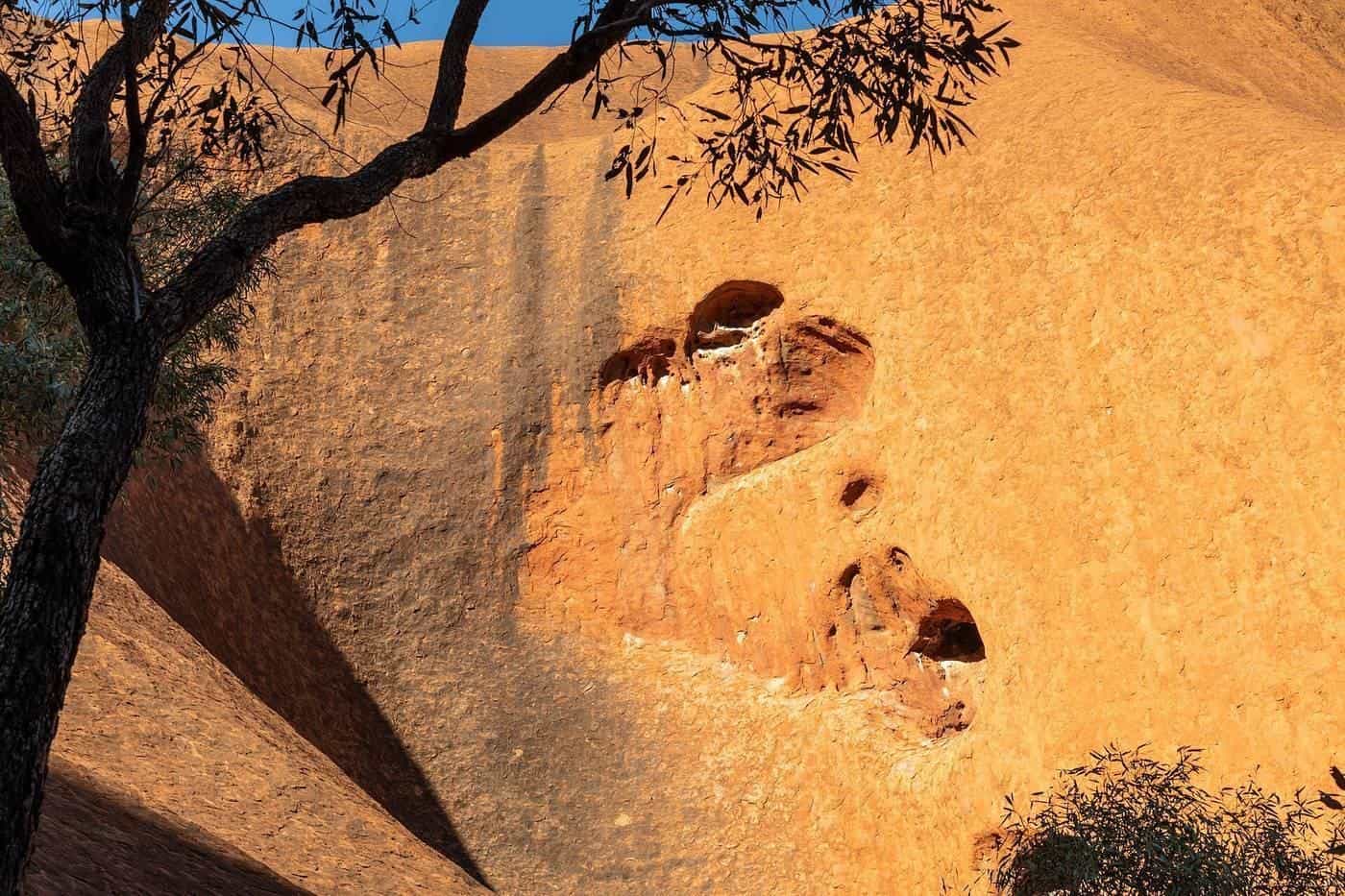
Parks Australia says Uluṟu has been sacred to Aṉangu for tens of thousands of years, and that climbing it was not generally permitted under Tjukurpa, Aṉangu law. The climb closed permanently on 26 October 2019. Parks Australia says climbing Uluṟu is a breach of the Environment Protection and Biodiversity Conservation (EPBC) Act and penalties will be issued to visitors who attempt it. Today, visitors explore around the base on walks such as the full base walk, the Mala Walk and the Kuniya Walk.
Park rules to know
Parks Australia's FAQs set out key rules:
- Drones: remote-controlled devices, including drones, aren't allowed. Operating a drone is an offence under the EPBC Act unless authorised by a permit.
- Swimming: swimming in waterholes isn't permitted.
- Alcohol: most of the park is a declared alcohol-free area. Alcohol is allowed in two designated areas, the Uluṟu Car Sunset and Bus Sunset areas, and otherwise only through approved tour operators with written approval from park management.
- Dogs: dogs aren't permitted, except guide, hearing and other assistance dogs, which must be on a leash no longer than three metres.
- Commercial photography: filming or taking photos for commercial purposes needs a permit.
Respect all signs throughout the park and follow your guide's directions about where to walk.
Types of Uluṟu tours
- Sunrise and sunset tours visit the viewing areas when the rock changes colour.
- Guided base walks explain Aṉangu culture, plants, animals and rock art. The park's website lists ranger-guided activities; check what's running during your visit.
- Kata Tjuṯa tours visit the domes, with walks such as Walpa Gorge and the Valley of the Winds.
- Cultural experiences may include dot painting workshops, which Parks Australia says are hosted by Muṯitjulu community-owned businesses.
- Scenic flights show the scale of the landscape from the air.
- Multi-day tours from Alice Springs often combine Uluṟu, Kata Tjuṯa and Kings Canyon.
Choosing a tour
Consider:
- how much time you'll spend at the rock and on walks, versus driving;
- whether the guide is knowledgeable about Aṉangu culture, or whether the tour includes an Aboriginal guide;
- whether the park pass, meals and water are included;
- group size and walking requirements;
- start times, as sunrise tours leave very early.
Our tour value comparer helps you compare price against activity hours.
Heat safety
Central Australia can be dangerously hot. Healthdirect lists heat exhaustion symptoms such as heavy sweating, paleness, muscle cramps, tiredness, dizziness, headache and nausea. Heatstroke is a medical emergency: call Triple Zero (000). To stay safe:
- walk early in the morning;
- carry and drink plenty of water;
- wear a broad-brimmed hat, sunglasses and loose, light-coloured clothing;
- use SPF50+ sunscreen;
- check for walk closures and follow ranger advice.
Flies can be a nuisance in warmer months, so a fly net is worth packing. See our guide to sun and heat on tours.
Children at Uluṟu
Parks Australia says the park is great for children, with a number of shorter walks. The Cultural Centre can give advice on visiting with children.
The Cultural Centre
Start your visit at the Cultural Centre, inside the park near Uluṟu. Its displays introduce Tjukurpa, the foundation of Aṉangu life and law, and explain how Aṉangu and Parks Australia manage the park together. Staff can help with itineraries, walk conditions and advice for families, and Parks Australia invites visitors to call the Cultural Centre for help planning. The centre is also a good place to buy art directly from Aboriginal-owned art centres and to have a break from the heat. Allow at least an hour, and visit early in your stay so the rest of your time makes more sense.
Kata Tjuṯa
Many visitors focus on Uluṟu and leave little time for Kata Tjuṯa, the group of large domed rock formations to the west. It's well worth a half-day. The walks here range from a shorter return walk into a gorge to a longer circuit through the valleys between the domes. The longer walk involves uneven, rocky ground and can be hot and exposed, so start early, carry plenty of water and check for any closures. Sunrise at the Kata Tjuṯa dune viewing area, with Uluṟu on the horizon behind you, is a highlight for many visitors.
How long to stay
Many tours fly in for a single day, but the park rewards a longer visit. Two or three days lets you see Uluṟu at sunrise and sunset, walk around the base, visit Kata Tjuṯa and the Cultural Centre without rushing, and allows a spare morning if the weather is too hot for walking. Multi-day tours from Alice Springs add long drives but also Kings Canyon and the wider desert landscape.
Key points
- The park is open all year; the coolest months are May to September.
- The climb closed permanently on 26 October 2019, and climbing is prohibited.
- Drones aren't allowed, swimming in waterholes isn't permitted, and alcohol is restricted to two sunset areas.
- Buy your park pass online, or check whether your tour includes it.
- Walk early, carry water and take heat seriously.
Frequently asked questions
Can you still climb Uluṟu?
No. The climb closed permanently on 26 October 2019. Parks Australia says climbing is a breach of the EPBC Act and penalties apply.
When is the best time to visit?
The park is open all year, but Parks Australia says the weather is coolest between May and September.
Do I need a 4WD?
No. Parks Australia says all roads in the national park are paved and suitable for two-wheel-drive vehicles, as is the road from Alice Springs.
Can I fly a drone at Uluṟu?
No. Remote-controlled devices, including drones, aren’t allowed in the park. Operating a drone without a permit is an offence under the EPBC Act.
Can I camp in the park?
No. Camping isn’t permitted inside the park. There are campgrounds at the resort outside the park and at Curtin Springs, about 100 km away.
Sources and further reading
Facts on this page were checked against these primary and official sources. Conditions change — confirm before you travel or buy.
- Frequently asked questions — Parks Australia (Uluṟu-Kata Tjuṯa National Park)
- Uluṟu climb closure — Parks Australia (Uluṟu-Kata Tjuṯa National Park)
- Hot weather risks and staying cool — healthdirect
- Be SunSmart — Cancer Council Australia
- Drone rules — Civil Aviation Safety Authority