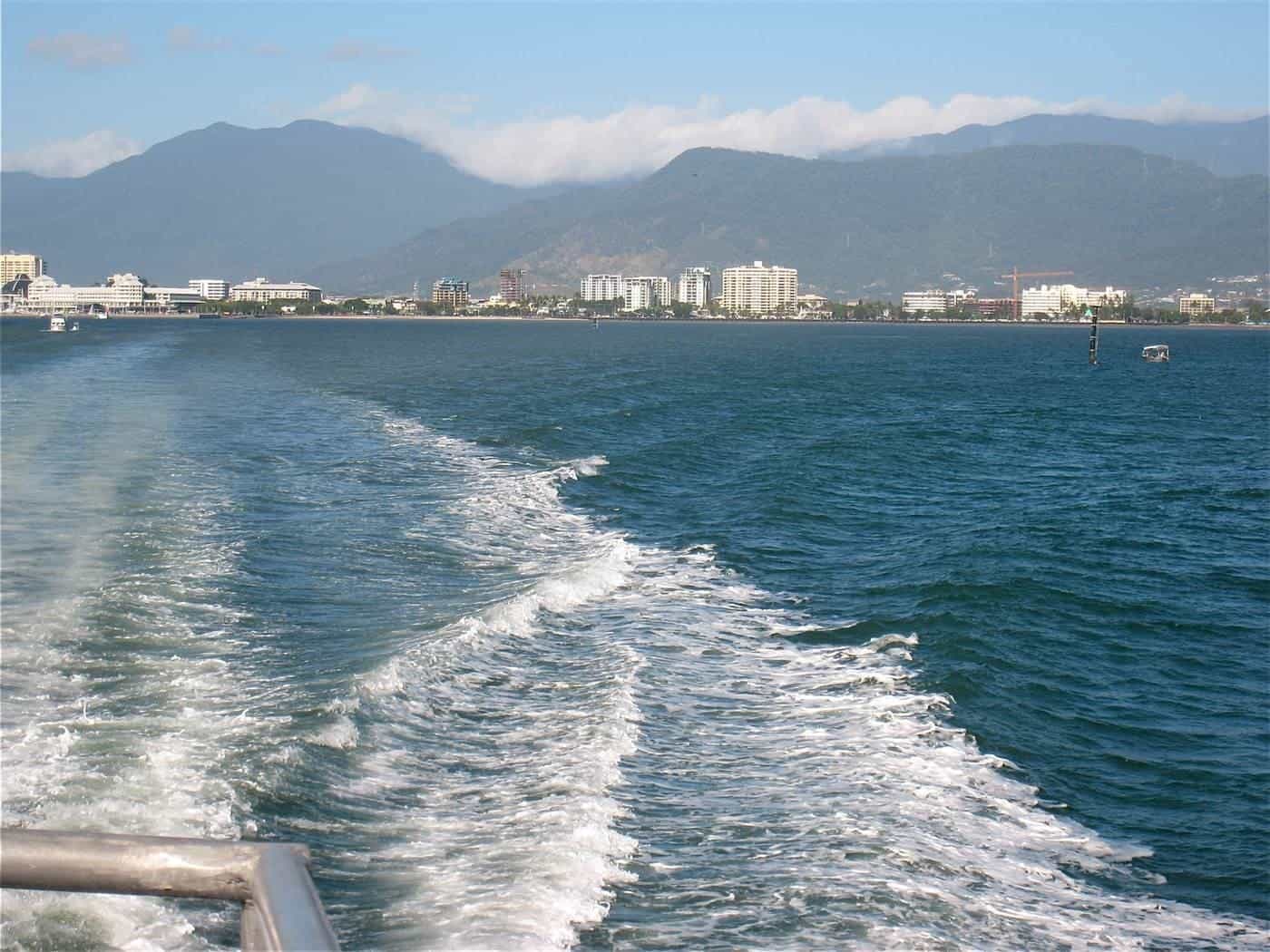
A first look at a coral reef, a turtle gliding beneath a boat or a humpback whale breaching nearby is a memory that lasts a lifetime. Australia's marine tours range from big reef catamarans to small sailing boats, island trips, glass-bottom boats and whale watching cruises. This section helps you choose between them and covers the safety rules that matter: snorkelling, marine stingers, crocodiles and wildlife approach distances. It draws on official sources including the Great Barrier Reef Marine Park Authority (GBRMPA), Workplace Health and Safety Queensland (WHSQ), the Queensland Government and NSW Environment and Heritage.
The guides in this section
- Reef day trips compares pontoon trips, small dive and snorkel boats, sailing trips, island trips and glass-bottom boats, and covers time in the water, seasickness, reef etiquette and what to bring.
- Snorkelling safety explains WHSQ's guidance on who is most at risk, why flotation matters, telling the crew about your health, getting comfortable with gear and what to do if you feel unwell.
- Marine stingers and crocodiles summarises Queensland Government advice on box jellyfish and Irukandji, crocodiles, sharks and blue-ringed octopus, including prevention and first aid.
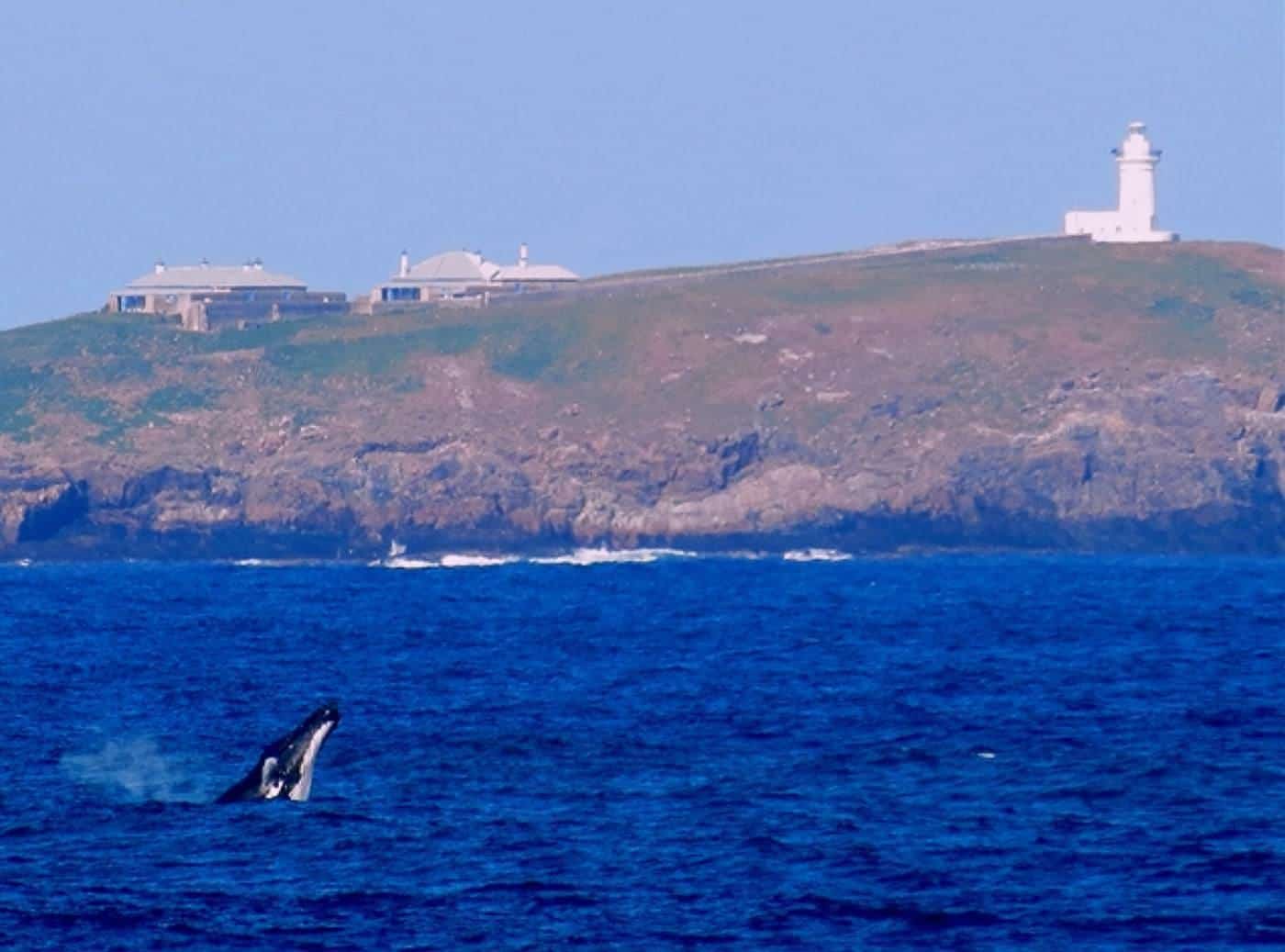
- Whale watching tours covers migration seasons, choosing a cruise, NSW approach distances for vessels, swimmers and drones, and watching from land.
Choosing a marine tour
The right marine tour depends on what you want to see, how comfortable you are in the water and how you handle boats. Large, stable catamarans suit people prone to seasickness and families, and often visit pontoons with facilities. Small boats offer a more personal experience and may visit several sites. Island trips combine snorkelling with beach time. Glass-bottom boats and semi-submersibles suit non-swimmers.
As with any tour, compare the time you'll actually spend at the reef or with the wildlife, not just the total trip length. Long crossings eat into the day. Our tour value comparer helps you weigh price and extras against activity hours.
Safety in the water
WHSQ's snorkel safety guide estimates that about 1.1 million people snorkel in Queensland each year and says an average of five snorkellers die each year in Queensland at workplaces. It lists higher-risk factors including cardiac conditions, being an older male, inexperienced or weak swimming, and limited English. In most of the deaths reviewed, the person wasn't using a flotation device.
The practical lessons are simple: tell the crew about medical conditions, wear a flotation vest, listen to the briefing, snorkel with a buddy and get out of the water if you feel unwell. Our snorkelling safety guide explains each step.
Tropical hazards
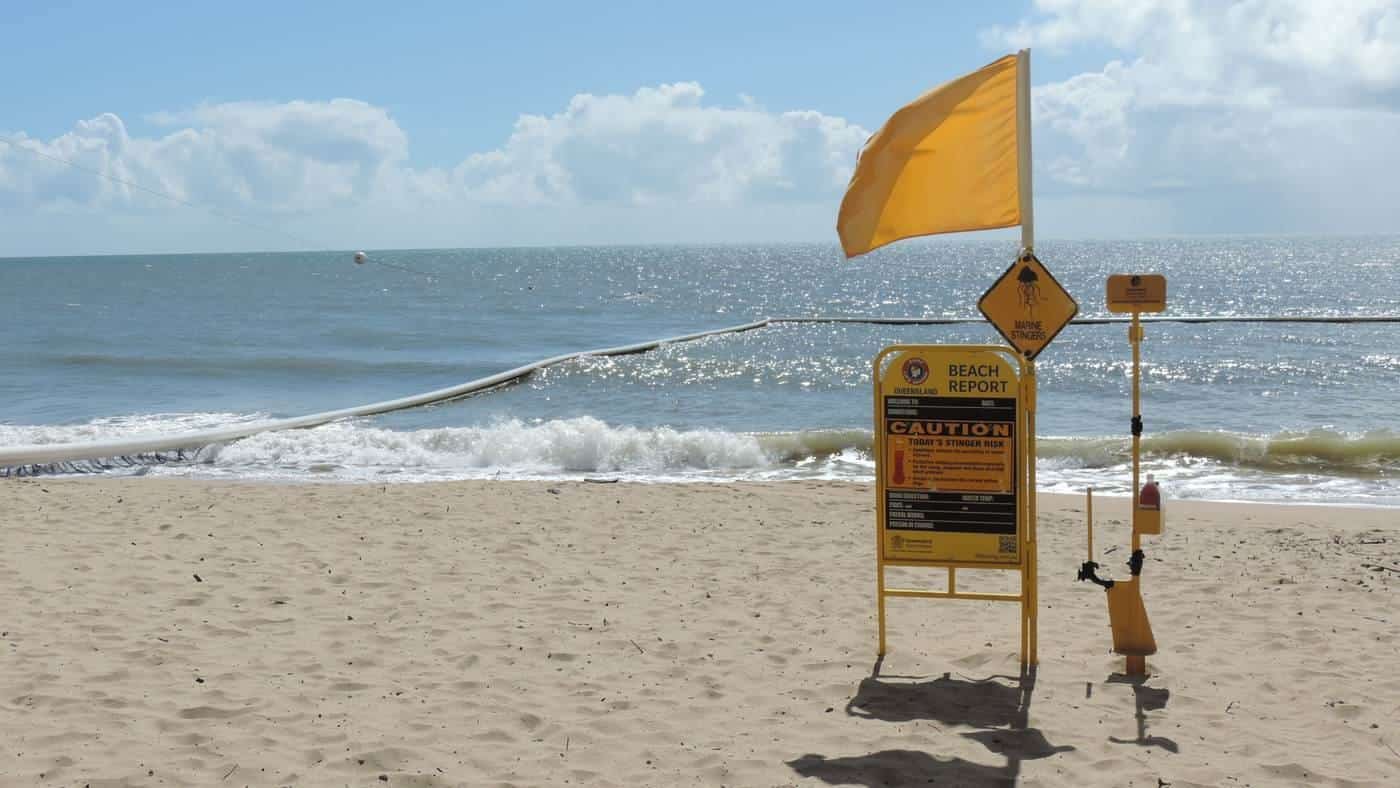
In tropical Queensland, the Queensland Government says marine stingers, including box jellyfish and Irukandji, are present all year, with higher risk from November to May. Swim at patrolled beaches, inside stinger nets where provided, and consider a full-body lycra suit. If someone is stung, call Triple Zero (000) and pour vinegar on the sting. Irukandji symptoms may take 20 to 40 minutes to develop.
Crocodiles live in fresh and salt water in northern Queensland. Swim only in designated safe areas, obey signs, stay away from the water's edge and take extra care during the September to April breeding season.
Protecting the reef and wildlife
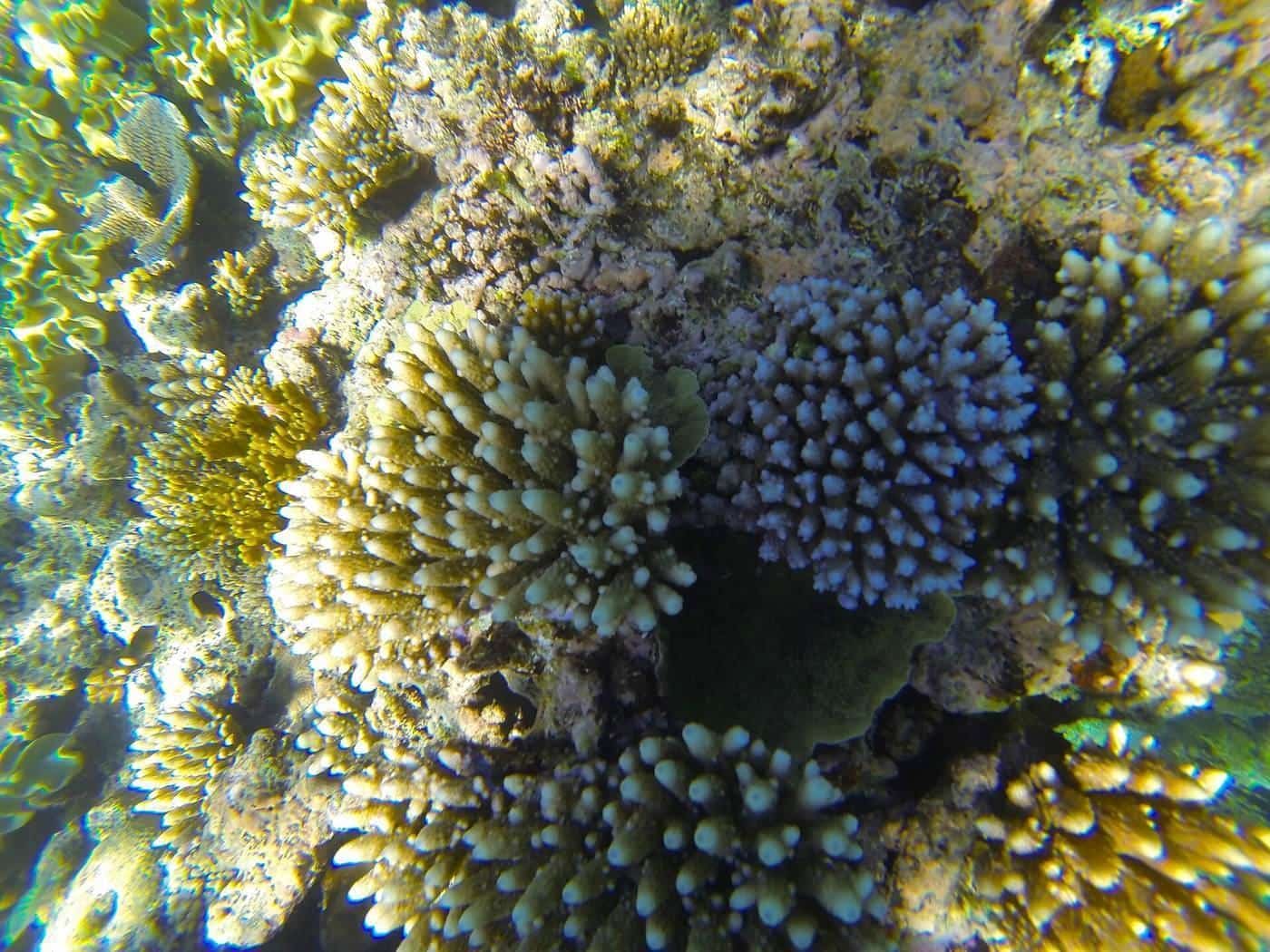
GBRMPA's Responsible Reef Practices ask snorkellers and divers not to touch, stand on or kick coral, to watch their fins, not to feed or chase marine life, and to stay more than one metre from giant clams. Floating with a vest makes it much easier to stay off the coral.
For whales, NSW Environment and Heritage sets approach distances: vessels must stay at least 100 m from whales, with a 300 m caution zone, and must not enter the caution zone if a calf is present. Swimmers must not enter the water closer than 100 m to a whale and must stay at least 30 m away. Drones must stay at least 100 m away. Other states have similar rules.
Seasons at a glance
- Stingers: present year-round in tropical Queensland, higher risk November to May.
- Crocodile breeding season: September to April, per the Queensland Government.
- Humpback whales: roughly May to November along the NSW coast.
- Weather: strong winds can cancel or change boat trips at any time, so book early in your stay and read the weather policy.
Responsible operators
Look for operators who give thorough safety briefings, provide flotation and stinger suits, explain reef etiquette and follow wildlife approach rules. Read recent reviews for comments about crew attentiveness and how well they looked after passengers.
Where to go next
Before booking, read our planning guides on choosing a tour, cancellations and refunds, and travel insurance, which may exclude some water activities. Our guide to sun and heat on tours covers the intense UV on boats and beaches.
About these guides
Day Tour Guide is independent. We don't run tours or take bookings, and we don't rank operators. Our guides summarise official advice and link to sources so you can check details, which can change. In an emergency, call Triple Zero (000).
Guides in this section
Reef and wildlife
Reef day trips
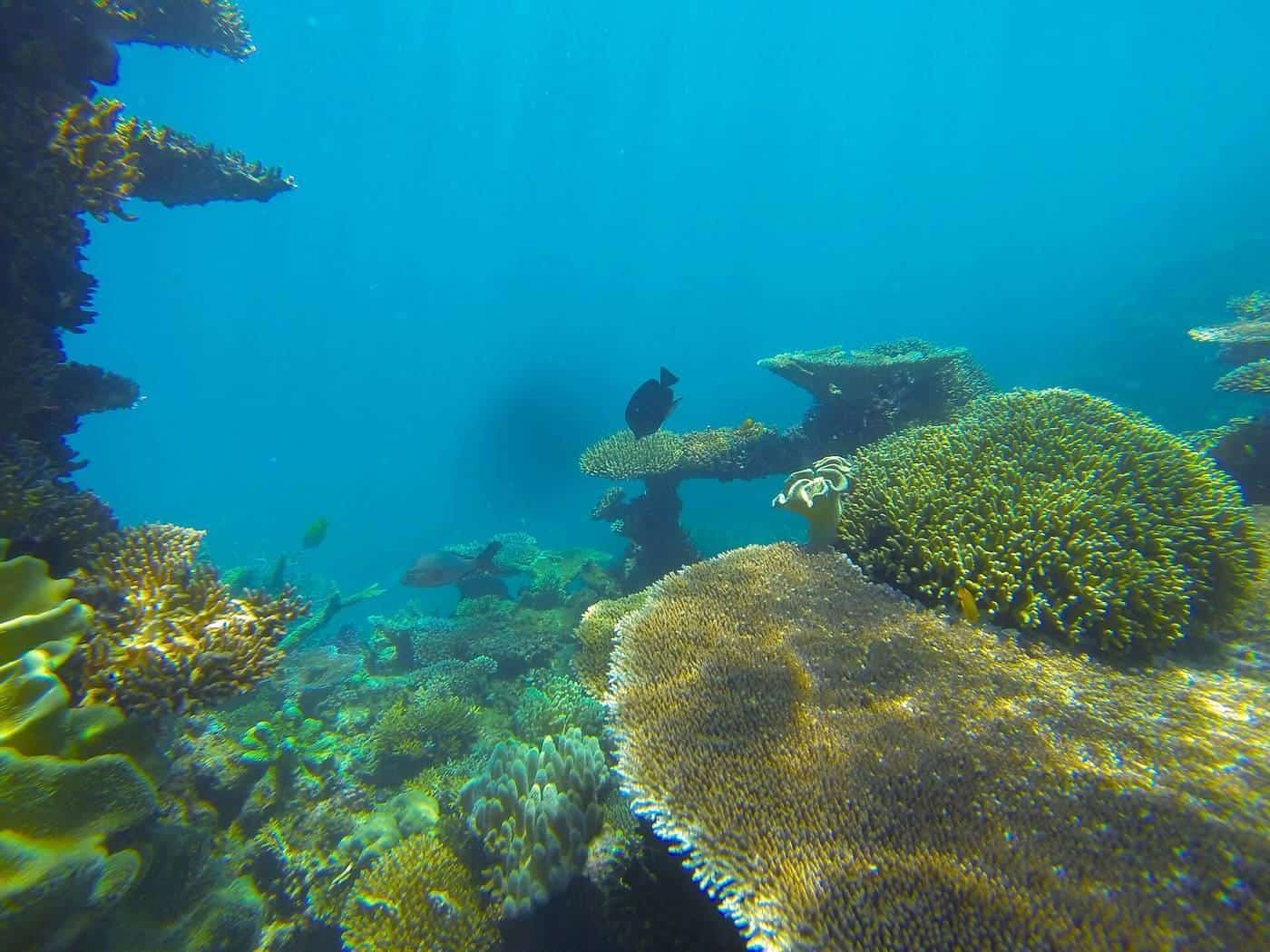
How to choose a Great Barrier Reef day trip: boat types, outer versus inner reef, time in the water, seasons, inclusions and reef etiquette.
Read · 6 min
Reef and wildlife
Snorkelling safety
Snorkelling safety on reef and island tours: who is most at risk, why flotation matters, medical conditions, buddies, signals and stingers.
Read · 6 min
Reef and wildlife
Marine stingers and crocodiles
How to stay safe from marine stingers, crocodiles, sharks and blue-ringed octopus on Queensland tours: seasons, prevention and first aid.
Read · 5 min
Reef and wildlife
Whale watching tours
How to choose a whale watching tour: migration season, boat types, approach distance rules, seasickness and what to expect on board.
Read · 5 min
Frequently asked questions
Is snorkelling on the reef safe?
Most people have a safe day, but deaths do happen. WHSQ says an average of five snorkellers die each year at Queensland workplaces and most weren’t using flotation.
When is stinger season?
The Queensland Government says stingers are present in tropical Queensland waters all year round, with higher risk from November to May.
When can I see whales?
On the NSW coast, humpbacks migrate roughly from May to November, according to NSW Environment and Heritage.
Can I touch the coral?
No. GBRMPA’s Responsible Reef Practices ask visitors not to touch, stand on or kick coral and to stay more than a metre from giant clams.
Sources and further reading
Facts on this page were checked against these primary and official sources. Conditions change — confirm before you travel or buy.
- Responsible Reef Practices — Great Barrier Reef Marine Park Authority
- Snorkel safety: a guide for workers (PDF) — Workplace Health and Safety Queensland
- Dangerous marine life — Queensland Government
- Approach distances for whales, dolphins and dugongs — NSW Environment and Heritage
- Whale watching tips and guidelines — NSW National Parks and Wildlife Service