A day on the Great Barrier Reef is on many travellers' lists, and day trips leave from many towns along the Queensland coast. But "a reef trip" can mean anything from a large catamaran with hundreds of passengers to a small sailing boat with a dozen, visiting an island fringing reef or an outer reef site far offshore. This guide explains the main differences, what to ask and how to enjoy the reef responsibly.
Over 1 m
From giant clams
GBRMPA Responsible Reef Practices
Nov–May
Higher stinger risk
Stingers present year-round, per Queensland Government
Flotation
Strongly advised
Most snorkel deaths involved none, per WHSQ
Types of reef trip
Large catamarans and pontoon trips. Big, fast boats travel to outer reef sites, sometimes to a moored pontoon with facilities such as underwater viewing areas, semi-submersible rides and sheltered snorkelling areas. They tend to be stable and comfortable, with plenty of room, lunch and a range of activities. The trade-off is more people in the water.
Smaller dive and snorkel boats. These may visit two or three reef sites in a day with fewer passengers. You'll often get more personal attention and more variety, but smaller boats can feel the swell more.
Sailing trips. Sailing boats are slower and may visit closer reefs or islands, often combining snorkelling with time on a beach. They suit people who enjoy the journey as much as the destination.
Island trips. Ferry or boat trips to continental and coral cays, often with fringing reefs you can snorkel from the beach, along with walks and beach time.
Glass-bottom boats and semi-submersibles. Good for people who don't want to get wet, young children and anyone who can't snorkel.
Scenic flights. Helicopter or seaplane flights show the scale of the reef from above and are sometimes combined with a boat trip.
Outer reef, inner reef and islands
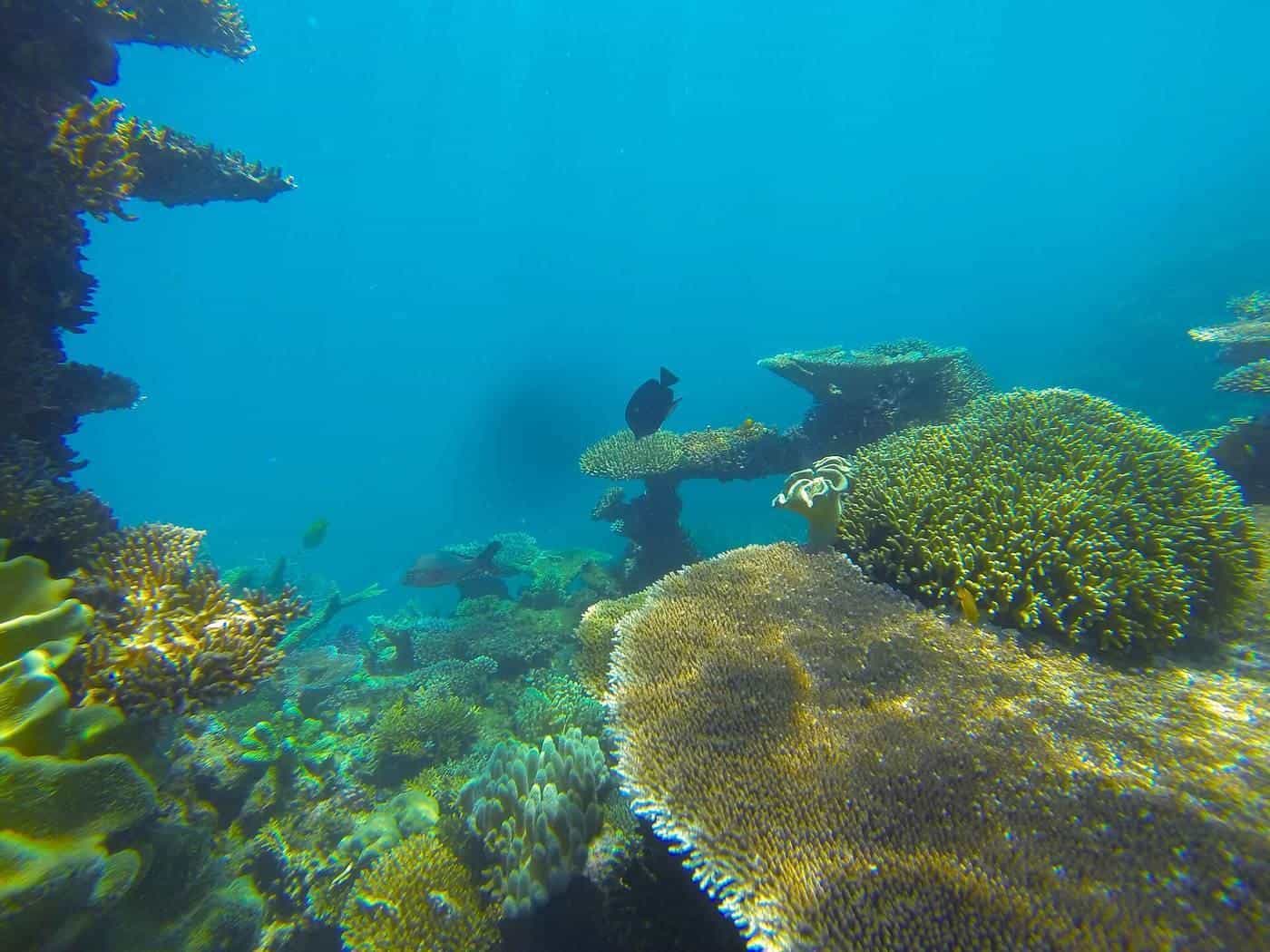
Outer reef sites, near the edge of the continental shelf, are often promoted for clear water and abundant marine life. They can involve longer and sometimes rougher crossings. Inner reefs and islands may have shorter trips and calmer water, which can be better for beginners, families and anyone prone to seasickness. Water clarity and conditions vary by site and day at both. Ask the operator where they go and why.
Time in the water
Like any tour, compare the time you'll actually spend at the reef, not just the total trip time. A trip that spends three hours travelling and three hours at the reef offers a different day to one with longer travel and shorter time on site. Ask:
- How long is the crossing each way?
- How many sites do you visit, and how long at each?
- Is snorkelling equipment, flotation and a stinger suit included?
- Are guided snorkel tours or intro dives available, and what do they cost?
Our tour value comparer helps you weigh price and extras against hours at the reef.
Seasickness
Reef crossings can be bumpy. If you're prone to seasickness:
- choose a larger, more stable boat or a shorter crossing;
- sit in the middle and lower part of the boat, and look at the horizon;
- ask a pharmacist about remedies and take them before you board, as directed;
- avoid heavy meals and alcohol before the trip.
Snorkelling safety
Snorkelling is the main activity on most reef trips. Workplace Health and Safety Queensland's snorkel safety guide estimates about 1.1 million people snorkel in Queensland each year and says an average of five snorkellers die each year in Queensland at workplaces. It names factors that increase risk, including cardiac conditions, being an older male, being an inexperienced or weak swimmer, and limited English. In most of the deaths reviewed, the snorkeller wasn't using a flotation device.
On the day:
- tell the crew about any medical conditions;
- use a flotation device, such as a vest or noodle;
- listen to the briefing and stay within the marked area;
- snorkel with a buddy and signal the lookout if you need help;
- rest on the boat if you feel tired or unwell.
Our snorkelling safety guide covers this in more depth.
Stingers and sun
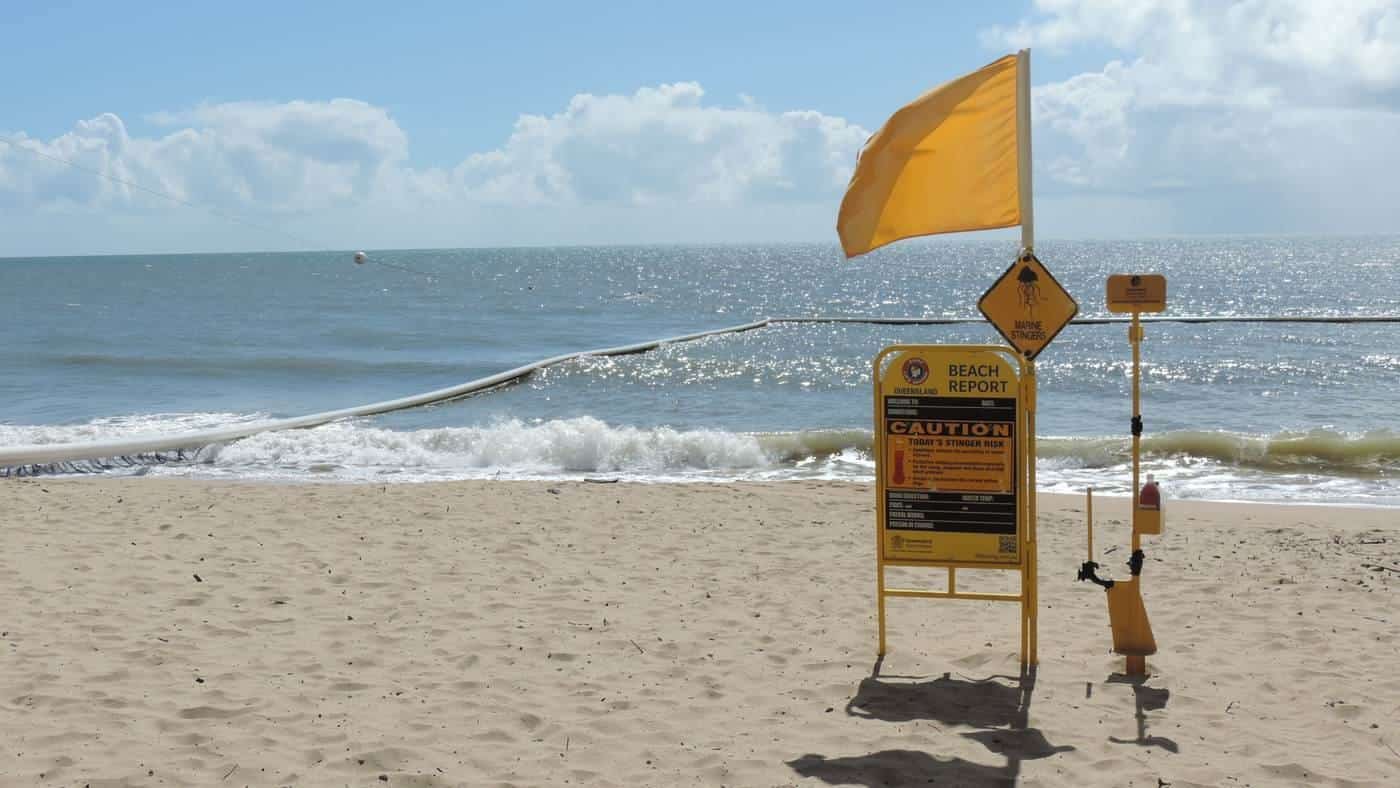
In tropical Queensland waters, the Queensland Government says marine stingers such as box jellyfish and Irukandji are present year-round, with a higher risk from November to May. Many reef operators supply full-body lycra stinger suits, which also give excellent sun protection. Follow the crew's advice. See our guide to marine stingers and crocodiles.
Sun exposure on a reef trip is intense: reflected light off water, hours in the sun and a breeze that hides the heat. Use SPF50+ sunscreen, a hat, sunglasses and a long-sleeved shirt on deck, and a stinger suit or rash vest in the water.
Reef etiquette
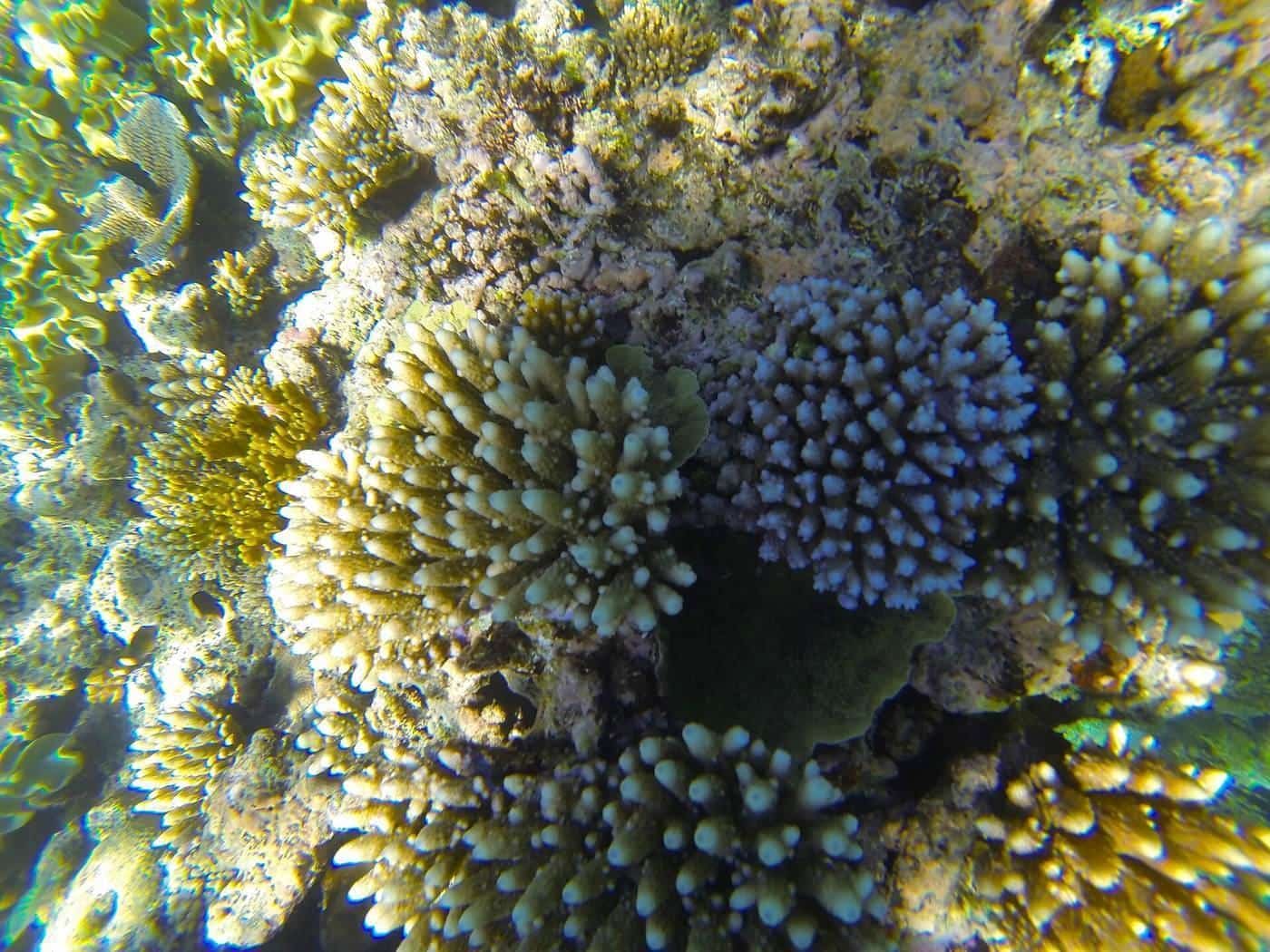
The Great Barrier Reef Marine Park Authority's Responsible Reef Practices set out simple ways to protect the reef. When snorkelling or diving:
- don't touch, stand on, kick or lean on coral;
- practise floating and finning over sand before you swim over coral;
- watch your fins, which can damage coral without you noticing;
- don't touch, chase or feed marine animals;
- stay more than one metre from giant clams;
- don't collect coral, shells or other marine life.
Reef-friendly behaviour also includes taking all rubbish back to shore and choosing operators who brief passengers on these practices.
What to bring
- Swimmers, towel and a change of clothes
- SPF50+ sunscreen, hat and sunglasses
- A long-sleeved shirt or rash vest
- Seasickness remedies if needed
- Water bottle
- An underwater camera or phone case, with a strap
- Any medication you need
Weather and cancellations
Strong winds and rough seas can cancel or change reef trips. Operators make safety calls on the day. The ACCC says that where a third party prevents a service, such as an authority closing an area, your rights depend largely on the booking terms, so read the weather policy before you book. Booking a reef trip early in your stay gives you a spare day if it's called off. See our guide to bookings, cancellations and refunds.
Photography on the reef
Underwater photos are one of the joys of a reef trip, but they can also distract you. Use a wrist strap or lanyard so you don't drop your camera or phone, and test any waterproof case in a sink before the trip. Keep your eyes on your surroundings, your buddy and the boat as well as the screen. Never stand on coral or hold onto it to steady yourself for a shot; float, breathe slowly and let the current settle. Some operators offer photo packages taken by crew, which can be a good option if you'd rather enjoy the experience without a camera. If you hire a camera on board, check whether the photos are included in the price.
Not a swimmer?
You don't have to snorkel to enjoy the reef. Glass-bottom boats, semi-submersibles, underwater observatories and pontoon viewing areas let non-swimmers see coral and fish without getting wet. Ask the operator what's available before you book, and whether it's included or an extra.
Key points
- Reef trips differ in boat size, destination, number of sites and time in the water.
- Compare hours at the reef and what's included, not just the price.
- Use flotation, tell the crew about medical conditions and listen to the briefing.
- Wear a stinger suit in tropical waters, especially from November to May.
- Don't touch coral or marine life, and stay more than a metre from giant clams.
Frequently asked questions
How long is a reef day trip?
Most run for most of the day, but the time actually at the reef varies with distance and boat speed. Ask how long you’ll spend in the water.
Is the outer reef better than the inner reef or islands?
Not necessarily. Outer reef sites often have clearer water but longer travel times and rougher crossings. Island and inner reef trips can suit beginners, families and people prone to seasickness.
Do I need to be a strong swimmer to snorkel?
Confidence in the water helps, but flotation devices are widely available. WHSQ notes that inexperienced swimmers are a higher-risk group and that most snorkellers who died weren’t using flotation.
Can I touch the coral?
No. GBRMPA’s Responsible Reef Practices ask visitors not to touch, stand on or kick coral, and to stay more than a metre from giant clams.
When is stinger season?
The Queensland Government says marine stingers are present all year in tropical waters, with higher risk from November to May. Many reef operators supply stinger suits.
Sources and further reading
Facts on this page were checked against these primary and official sources. Conditions change — confirm before you travel or buy.
- Responsible Reef Practices — Great Barrier Reef Marine Park Authority
- Snorkel safety: a guide for workers (PDF) — Workplace Health and Safety Queensland
- Dangerous marine life — Queensland Government
- Travel delays and cancellations — ACCC