Northern Australia's beaches, rivers and reefs draw visitors from around the world. They're also home to animals that can seriously hurt people: box jellyfish and Irukandji, saltwater crocodiles, sharks and the tiny blue-ringed octopus. Serious incidents are uncommon, and tour operators know these risks well, but understanding the basics helps you make good decisions. This guide summarises the Queensland Government's dangerous marine life advice. In an emergency, always call Triple Zero (000).
Nov–May
Higher stinger risk
Stingers present all year, per Queensland Government
20–40 min
For Irukandji symptoms
To develop, per Queensland Government
Sep–Apr
Crocodile breeding season
Take extra care, per Queensland Government
Marine stingers
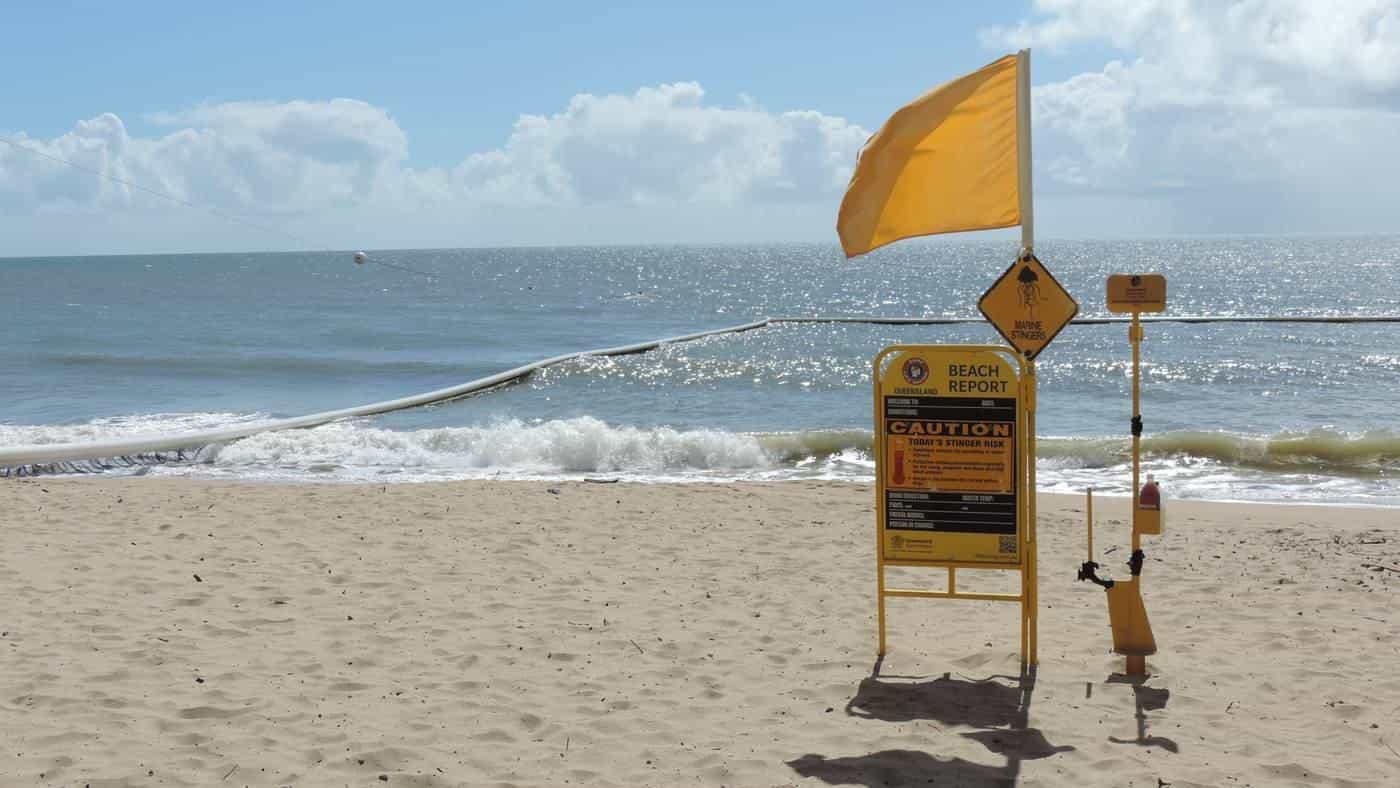
Queensland is home to several dangerous tropical marine stingers, including the box jellyfish and the Irukandji. The Queensland Government says they're present in tropical Queensland waters all year round, with a higher risk during the marine stinger season from November to May.
Box jellyfish are large and can cause severe pain and, rarely, death. Irukandji are tiny, often around the size of a fingernail, and are hard to see. An Irukandji sting may feel mild at first, but can cause Irukandji syndrome, with severe pain, sweating, nausea and other symptoms.
Preventing stings
The Queensland Government recommends:
- swimming at patrolled beaches, between the red-and-yellow flags;
- looking for and obeying safety signs;
- not entering the water when beaches are closed;
- asking lifesavers for help and advice;
- not touching stingers washed up on the beach, as they can still sting;
- swimming inside stinger nets where provided;
- considering a full-body lycra suit for protection.
On reef and island tours, operators often supply lycra stinger suits. Wear one, including a hood and gloves if provided. Stinger nets reduce the risk from larger box jellyfish but may not keep out tiny Irukandji, so a suit is still worthwhile.
Treating stings
If someone is stung, the Queensland Government says to call Triple Zero (000) and ask for an ambulance. While waiting, pour vinegar onto the sting and give oxygen or CPR if required. Many patrolled beaches and tour boats carry vinegar. Irukandji symptoms may take 20 to 40 minutes to develop, so if in doubt, seek medical help, even if the sting felt minor.
Crocodiles
Saltwater and freshwater crocodiles live in northern Queensland, in rivers, estuaries, lagoons, beaches and even around islands. Saltwater crocodiles are large, powerful and dangerous. The Queensland Government says to swim only in designated safe swimming areas and warns that there may be crocodiles even where there's no sign.
Being crocwise
In crocodile country, the Queensland Government advises:
- obeying all crocodile warning signs;
- always keeping a watch for crocodiles;
- never provoking, harassing or interfering with crocodiles, even small ones;
- never feeding crocodiles, which is illegal and dangerous;
- being extra careful around water at night and during the breeding season, from September to April;
- staying away from the water's edge.
On wildlife cruises, stay seated, keep your arms and hands inside the boat and follow the guide's directions. Never lean over the side to take a photo. When camping or picnicking, set up well away from the water and don't leave food scraps.
Sharks
Sharks live along Queensland's coast and in estuaries, rivers, creeks and canals. The Queensland Government recommends swimming between the flags at patrolled beaches with shark control equipment. If lifesavers spot a shark, they will sound a siren or ring a bell and put up a red-and-white flag, and you should leave the water immediately.
Its safety tips include:
- not swimming at dawn or dusk;
- swimming in clear water, not murky water, busy anchorages, estuary mouths or canals;
- not throwing food scraps or fish waste overboard;
- not swimming where fish are being cleaned;
- swimming, surfing, snorkelling or diving with a buddy;
- following signs and swimming between the flags.
Blue-ringed octopus
Blue-ringed octopuses are among the world's most venomous animals. They live in tide pools and on shallow reefs around Australia. Bites usually happen when people touch them or step on them, and may be painless, but the venom can be fatal.
When exploring rock pools, look but don't touch, and wear shoes. If someone is bitten, call Triple Zero (000), apply a pressure immobilisation bandage to the bite site and start CPR if required.
Cone shells and stonefish
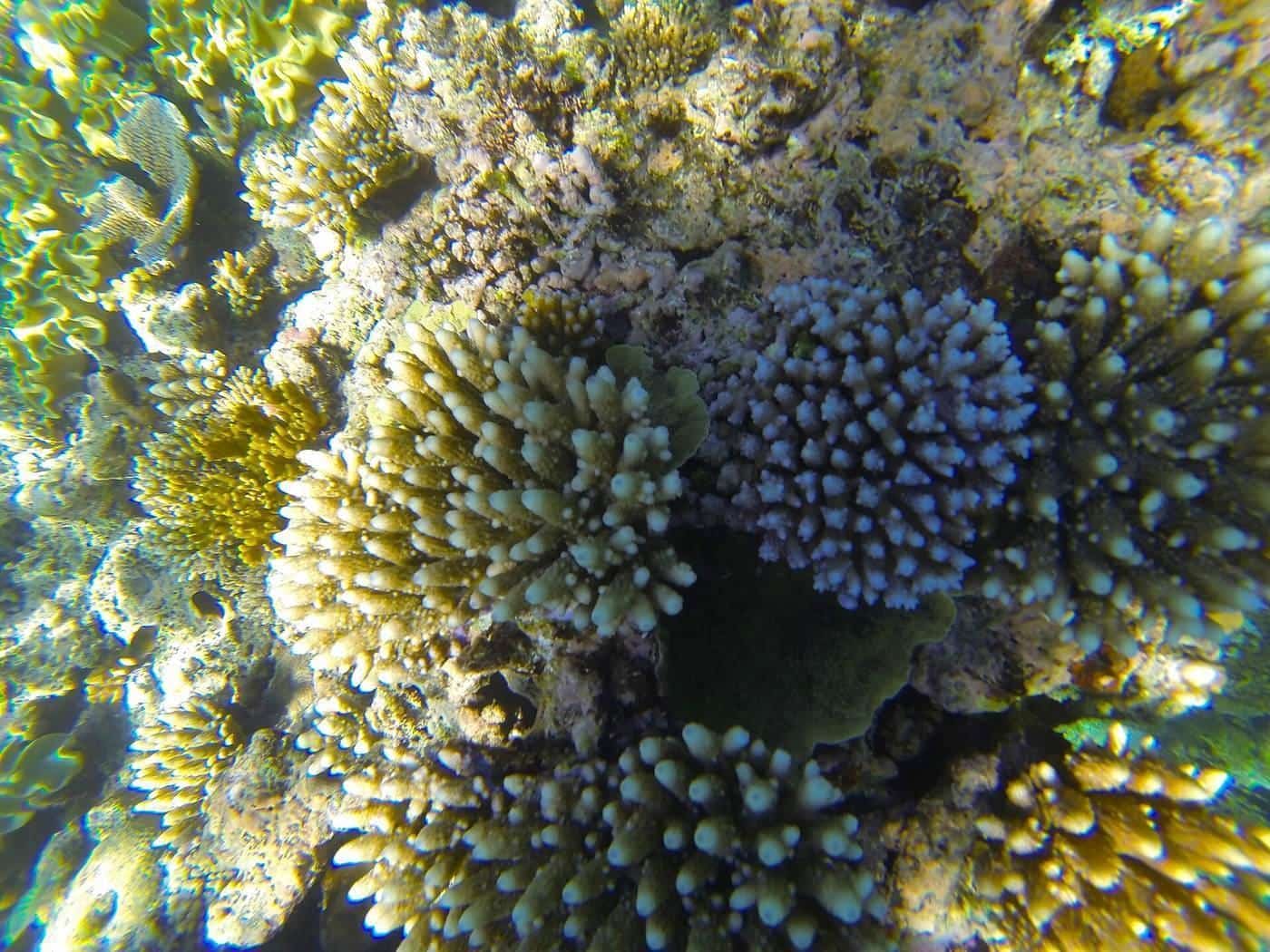
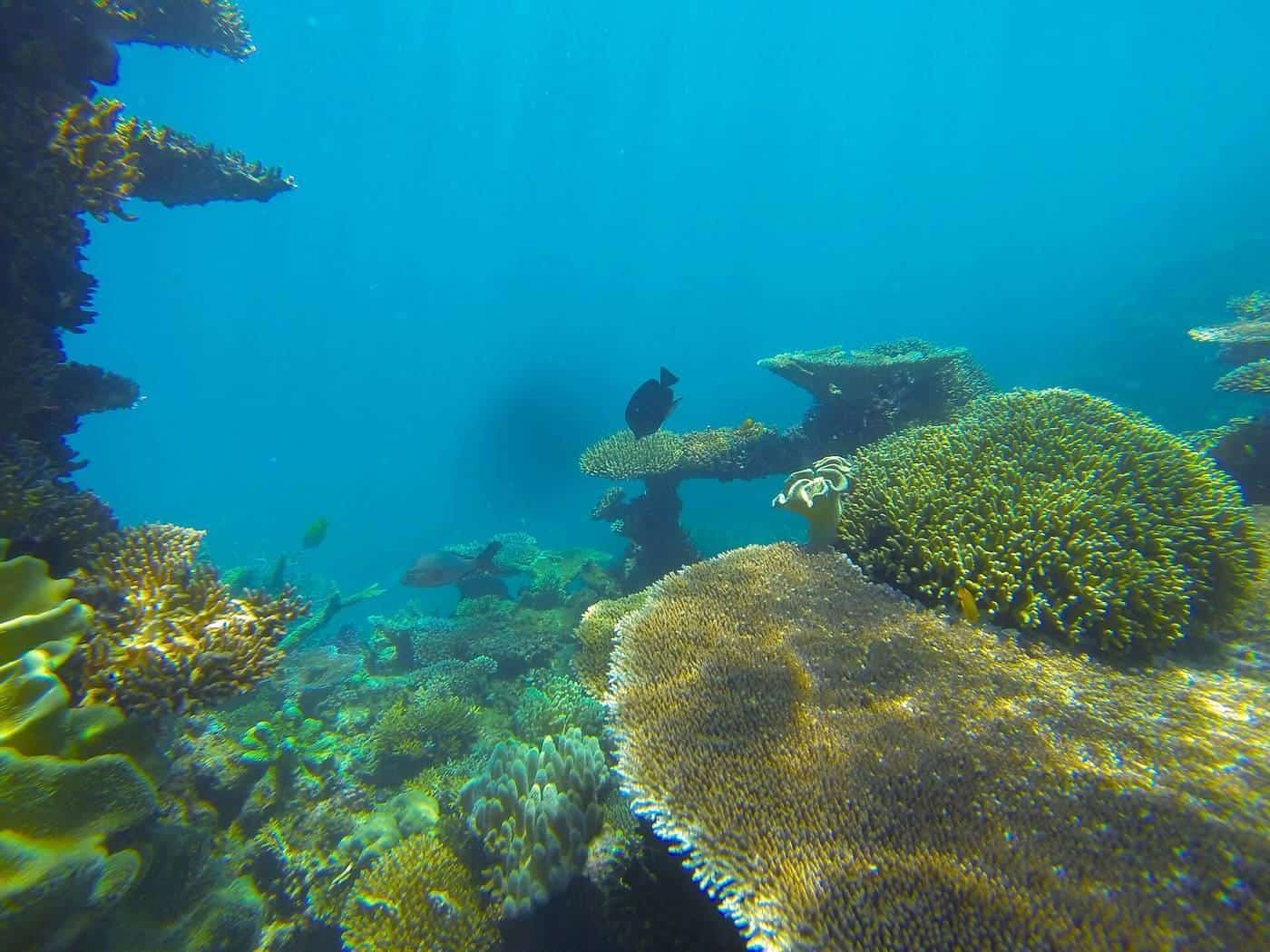
Other venomous reef animals include cone shells and stonefish. Don't pick up shells, and wear reef shoes when walking in shallow water. Better still, avoid walking on reefs at all, which also protects the coral. Follow the guidance of your tour crew about where to walk and swim.
Choosing tours in tropical waters
Reputable operators manage these risks every day. When choosing a tour in northern Queensland:
- ask whether stinger suits are provided and included;
- check that the crew carries vinegar and first aid equipment;
- listen to the briefing about local hazards;
- follow the crew's directions about where to swim.
Our guides to reef day trips and snorkelling safety cover more.
Sun protection
A full-body lycra suit protects you from stingers and the sun at the same time. Out of the water, Cancer Council recommends using all five sun protection steps when the UV index is 3 or above. See our guide to sun and heat on tours.
Creeks, waterfalls and swimming holes
Tropical rainforest tours often stop at creeks, waterfalls and swimming holes, which can be wonderful places to cool off. They can also hide hazards. Before you swim, check:
- crocodile warning signs and your guide's advice, remembering that the absence of a sign doesn't mean there are no crocodiles;
- water depth and submerged objects, as rocks and logs can be hidden under the surface, so never dive or jump in without checking;
- slippery rocks around waterfalls, which cause many falls;
- flash flooding after heavy rain upstream, when water levels can rise quickly.
Only swim where your guide says it's safe and in designated swimming areas. If in doubt, stay out.
Telling children about marine hazards
Children are naturally curious about animals, which is one of the joys of a reef or beach holiday. Teach them simple rules: look, don't touch; never pick up shells or creatures from rock pools; stay out of the water unless an adult says it's safe; and always swim between the flags. Make wearing a stinger suit part of the fun of the day rather than a chore. Our guide to tours with kids has more tips for families.
Be ready for emergencies
Mobile coverage can be patchy on islands, boats and in remote areas. Tour boats carry radios and first aid equipment, but if you're exploring independently, tell someone where you're going and when you'll be back. Know the address or location of where you are, and remember that Triple Zero (000) is the emergency number in Australia. If you're travelling in the tropics for a while, a first aid course is a worthwhile investment.
Key points
- Stingers are present in tropical Queensland waters year-round, with higher risk from November to May.
- Swim at patrolled beaches, inside stinger nets, and wear a lycra suit.
- If stung, call 000, pour vinegar on the sting and give CPR if needed.
- In crocodile country, swim only in designated areas and stay away from the water's edge.
- For blue-ringed octopus bites, call 000 and apply a pressure immobilisation bandage.
Frequently asked questions
When is stinger season in Queensland?
The Queensland Government says marine stingers are present in tropical Queensland waters all year round, with a higher risk during the stinger season from November to May.
What should I do if someone is stung?
Call Triple Zero (000) and ask for an ambulance. While waiting, pour vinegar on the sting and give oxygen or CPR if required, per Queensland Government advice.
How quickly do Irukandji symptoms appear?
The Queensland Government says Irukandji symptoms may take 20 to 40 minutes to develop. If in doubt, seek medical help.
Where is it safe to swim in crocodile country?
Swim only in designated safe swimming areas. The Queensland Government warns there may still be crocodiles even if there’s no warning sign.
What do I do if bitten by a blue-ringed octopus?
Call Triple Zero (000), apply a pressure immobilisation bandage to the bite site and start CPR if required.
Sources and further reading
Facts on this page were checked against these primary and official sources. Conditions change — confirm before you travel or buy.
- Dangerous marine life — Queensland Government
- Snorkel safety: a guide for workers (PDF) — Workplace Health and Safety Queensland
- Be SunSmart — Cancer Council Australia