Tours can be some of the best family days on holiday: seeing a whale for the first time, a rainforest train ride or the first glimpse of coral through a mask. They can also mean long hours on a bus, waiting around and tired, hungry children. Choosing tours that suit your family's ages and energy levels makes all the difference. This guide covers what to look for, how to prepare and how to keep children safe.
5 steps
Of sun protection
When UV is 3 or above, per Cancer Council
Flotation
For snorkellers
Strongly recommended by WHSQ
Ask first
About age limits
They vary by operator and activity
Match the tour to your children
The best family tours have a few things in common:
- Short travel times between stops, or travel that's part of the fun, like a boat, train or cable car;
- Hands-on activities, such as touching rock pools (where allowed), feeding farm animals or trying a new skill;
- Breaks and toilets at regular intervals;
- Flexibility, such as small groups or private tours where the guide can adapt;
- Engaging guides who talk to children, not just adults.
Think about your children's ages and temperament. A toddler might love a short cruise but struggle with a full-day coach tour. A teenager might find a garden tour dull but love a sea kayak trip.
Check age and height limits
Many operators set minimum ages, heights or weights for safety reasons, particularly for:
- snorkelling and diving;
- adventure activities such as ziplining, kayaking or quad bikes;
- long walks or climbs;
- some scenic flights.
Also check whether children need their own seat, whether car seats or booster seats are provided on transfers, and whether there are discounts for children or family passes. Ask the operator if anything is unclear.
Pace and length
Total tour length matters more with children. A ten-hour day with a 6 am pick-up can be exhausting for young kids. Consider:
- half-day tours instead of full-day tours;
- tours starting from near your accommodation;
- tours with an option to leave early or skip a section;
- splitting a big destination over two shorter days if you're driving yourself.
Use our tour value comparer to compare the cost per hour of activity between a long tour and a shorter one. Sometimes a shorter tour delivers almost the same experience.
Sun protection
Australia has high UV levels and children burn easily. Cancer Council recommends using all five sun protection steps whenever the UV index is 3 or above:
- Slip on sun-protective clothing.
- Slop on SPF50+ (or at least SPF30) broad-spectrum, water-resistant sunscreen, 20 minutes before going outside and every two hours afterwards.
- Slap on a broad-brimmed hat.
- Seek shade.
- Slide on sunglasses.
On boats and beaches, reflected UV adds up. Rash vests and swim shirts make sun protection much easier for children in the water. See our guide to sun and heat on tours.
Water safety
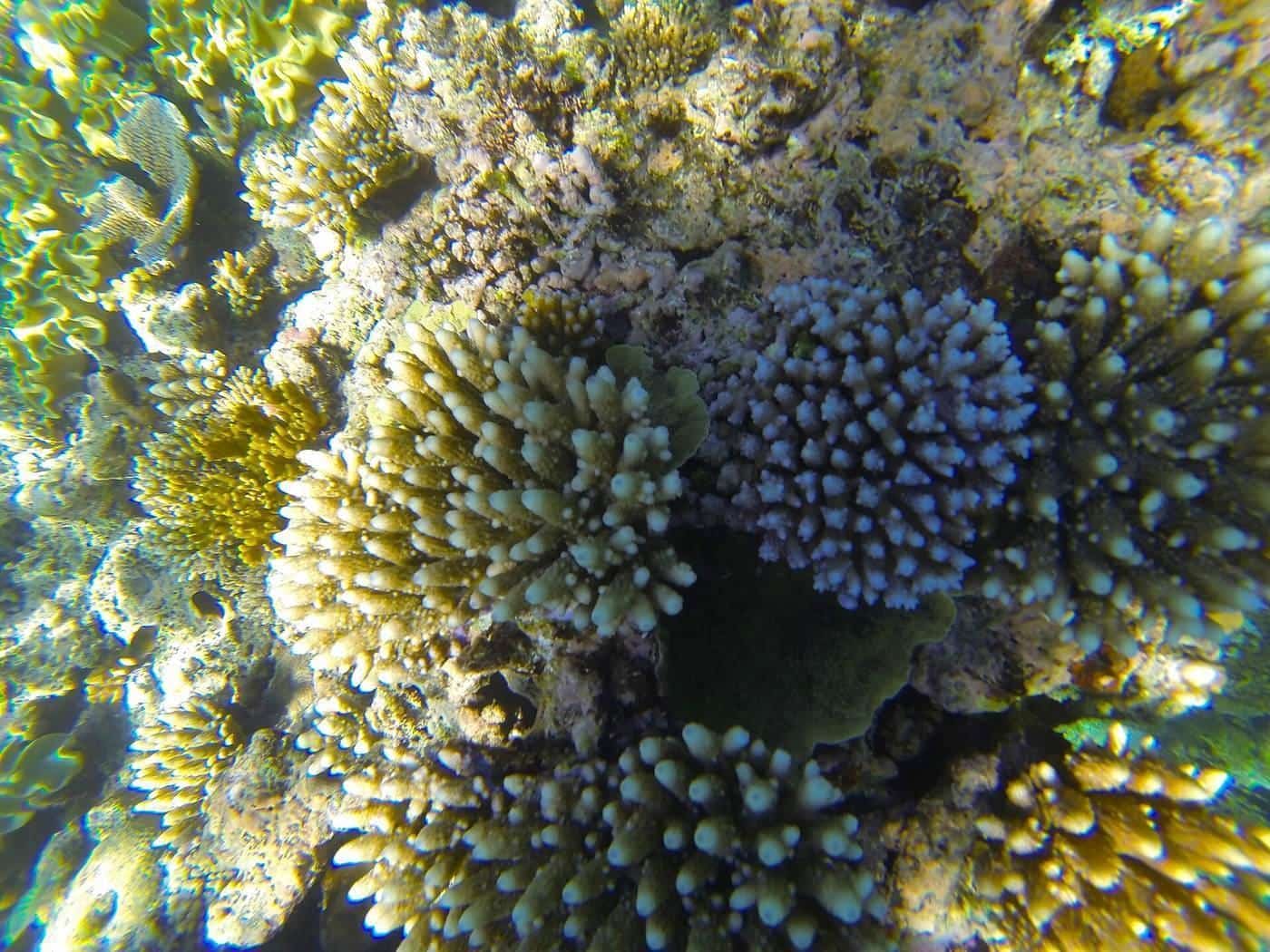
On reef and beach tours, children should be closely supervised. Workplace Health and Safety Queensland's snorkel safety guide notes that inexperienced or weak swimmers are among the higher-risk groups for snorkelling incidents, and that in most snorkelling deaths the person wasn't using a flotation device. For children:
- choose operators who supply child-sized masks, fins and flotation;
- use a flotation vest, even for confident swimmers (WHSQ says vests give better support than noodles);
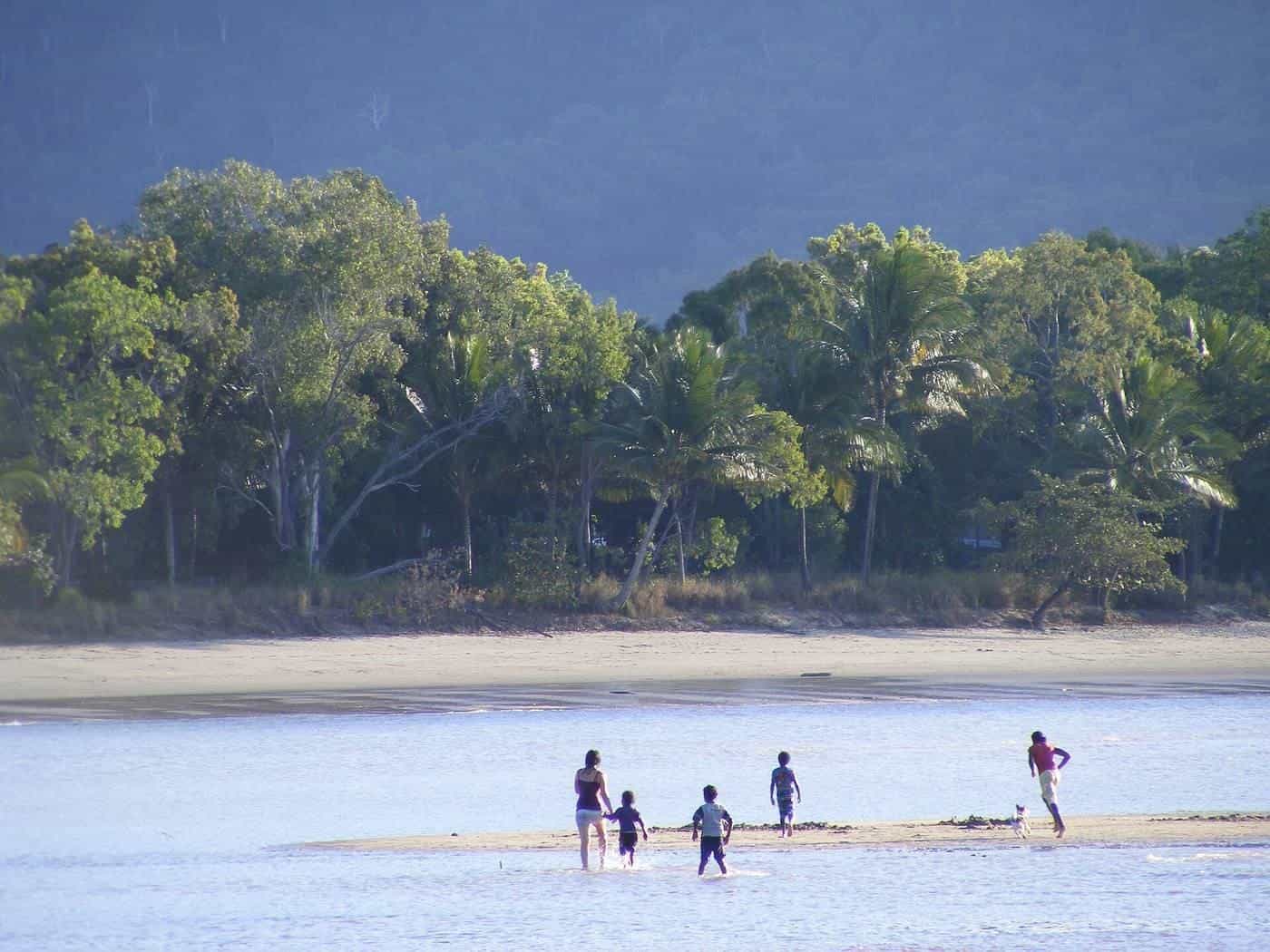
- stay within arm's reach of young children in the water;
- practise with a mask and snorkel in a pool before the trip if possible;
- make sure the crew knows about any medical conditions, such as asthma.
In tropical Queensland, marine stingers are present year-round, with a higher risk from November to May, according to the Queensland Government. Use stinger suits, swim at patrolled beaches inside stinger nets, and follow the crew's advice. Our guide to marine stingers and crocodiles explains more.
Motion sickness
Boats, winding roads and small planes can make children (and adults) sick. To reduce the risk:
- sit near the middle of a boat and look at the horizon;
- sit near the front of a bus and avoid reading or screens;
- have a light meal before setting out;
- ask a pharmacist or doctor about suitable remedies for children before the trip.
Bring spare clothes and plastic bags, just in case.
Food, water and snacks
Check whether meals are included and suitable for children, including for allergies. Even if lunch is provided, pack:
- water bottles for everyone, especially in hot weather;
- familiar snacks for long gaps between meals;
- anything needed for allergies or special diets.
Tell the operator about food allergies when booking, not on the day.
Keeping children engaged
Long stretches on a bus or boat are easier with a plan:
- talk about what you'll see before the tour, and look at pictures or maps together;
- give older children a job, such as photographer, map reader or wildlife spotter;
- bring a simple activity book, small toys or a pair of binoculars;
- reward patience with something to look forward to.
Many guides are brilliant with children, so encourage kids to ask questions.
Respecting the places you visit
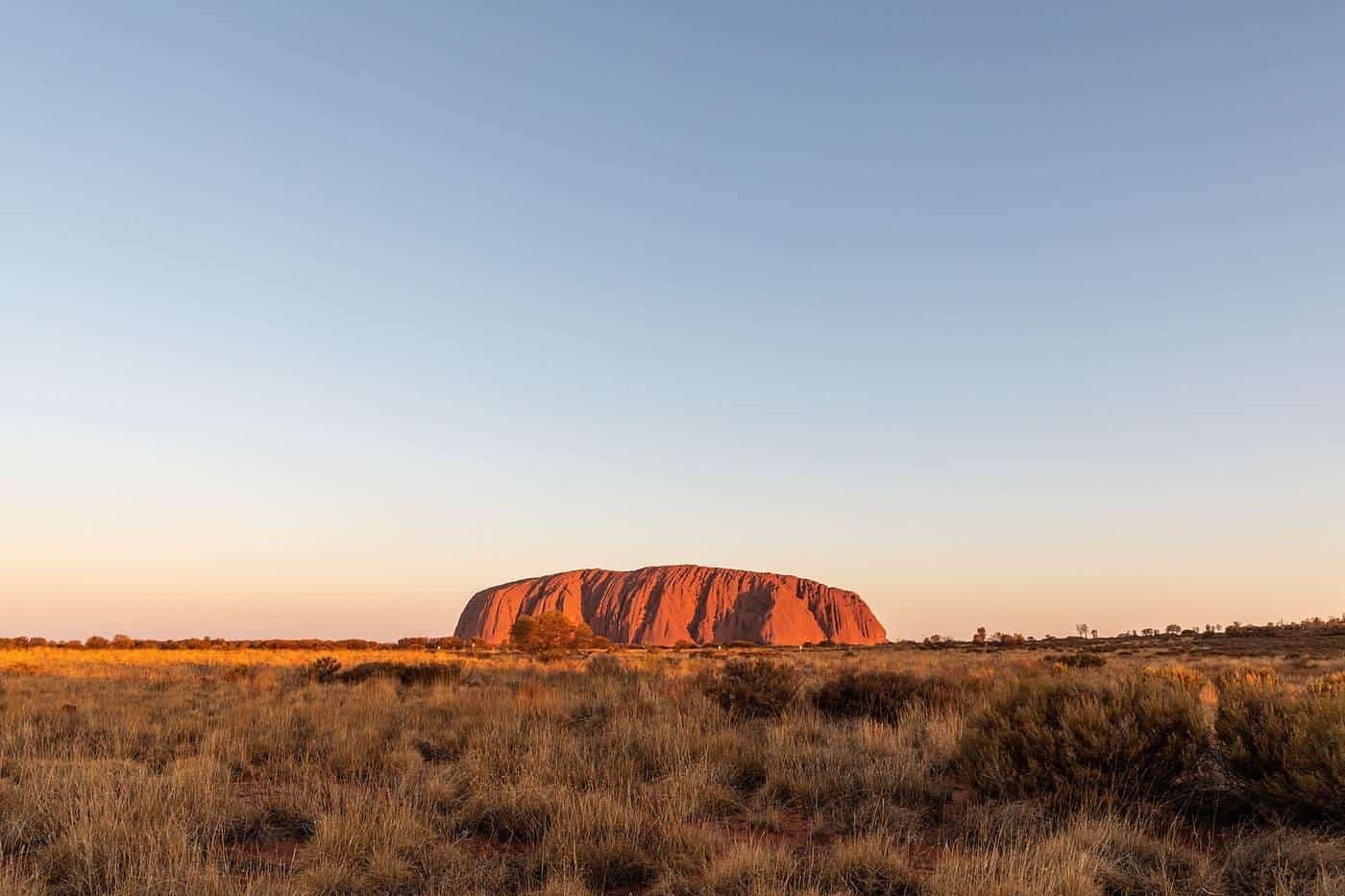
Tours are a great way to teach children about the environment and culture. Explain the rules before you go: don't touch or stand on coral, keep away from wildlife, stay on tracks and take rubbish home. At Uluṟu-Kata Tjuṯa National Park, the park says it's great for children, with a number of shorter walks; read the signs together and talk about why some places matter to Aṉangu, the Traditional Owners. Our guide to Uluṟu tours explains more.
Booking and cancellations
Family plans change, especially when children get sick. Check the operator's cancellation terms and look for flexible options. Remember that, according to the ACCC, you aren't entitled to a refund under consumer guarantees if you change your mind or miss the tour for your own reasons, although many operators allow changes. See our guide to bookings, cancellations and refunds.
Packing list for a family day tour
- Water bottles and snacks
- SPF50+ sunscreen, hats, sunglasses and rash vests
- Swimmers, towels and a change of clothes
- Any medication, including for asthma or allergies
- Motion sickness remedies if needed
- Wet wipes, plastic bags and tissues
- A small activity for travel time
- A charged phone and the operator's contact number
Babies and toddlers
Very young children bring extra considerations. Check whether prams or strollers can come on board, whether there's space to store them, and whether paths at each stop are suitable for wheels. A baby carrier is often easier on boats, walking tracks and steps. Ask about change facilities at stops, and whether the operator allows infants at all on boats or in the water. Babies under 12 months are particularly sensitive to the sun, so shade, clothing and hats matter even more for them; talk to a pharmacist or doctor about sunscreen for very young babies. Plan tours around nap times where you can, and choose shorter outings with easy breaks rather than an ambitious full day.
When to call it a day
Even the best plan can unravel with tired children. It's fine to skip an optional activity, sit out a walk in the shade or leave a tour early if the operator allows it. A shorter, happy day is better than a long, miserable one, and children are far more likely to remember the highlight than what they missed.
Key points
- Choose tours with short travel times, hands-on activities and flexible pacing.
- Check age, height and weight limits before booking.
- Use all five sun protection steps and supervise children closely in the water.
- Prepare for motion sickness and pack plenty of water and snacks.
- Read cancellation terms carefully, as family plans often change.
Frequently asked questions
What age can children go on tours?
It depends on the operator and activity. Many tours set minimum ages or heights, especially for snorkelling, adventure activities and long walks. Check before booking.
Are small-group tours better for families?
Often, because the pace is more flexible. Private tours can be good value for a family sharing the cost and let you set the stops.
How do I protect children from the sun on tours?
Cancer Council recommends using all five sun protection steps when the UV index is 3 or above: clothing, SPF50+ sunscreen, a hat, shade and sunglasses.
Can children snorkel on reef tours?
Many operators welcome children, but they should be confident in the water and closely supervised. Use flotation and tell the crew about any medical conditions.
What should I pack for a day tour with kids?
Water, snacks, sun protection, a change of clothes, any medication, motion sickness remedies if needed, and something to do on the bus.
Sources and further reading
Facts on this page were checked against these primary and official sources. Conditions change — confirm before you travel or buy.
- Be SunSmart — Cancer Council Australia
- Snorkel safety: a guide for workers (PDF) — Workplace Health and Safety Queensland
- Dangerous marine life — Queensland Government
- Travel delays and cancellations — ACCC
- Frequently asked questions — Parks Australia (Uluṟu-Kata Tjuṯa National Park)