Drones can capture landscapes in a way no other camera can, which makes them popular with travellers. But they also pose risks to aircraft, people and wildlife, and many of Australia's most photogenic places have strict rules. Before you pack a drone, it's worth understanding the rules from the Civil Aviation Safety Authority (CASA) and the extra restrictions in parks and around wildlife. This guide covers recreational flying; commercial flying has additional requirements.
120 m
Maximum height
Above ground level, per CASA
30 m
From people
And never over people, per CASA
5.5 km
From controlled airports
For drones over 250 g, per CASA
CASA's drone safety rules
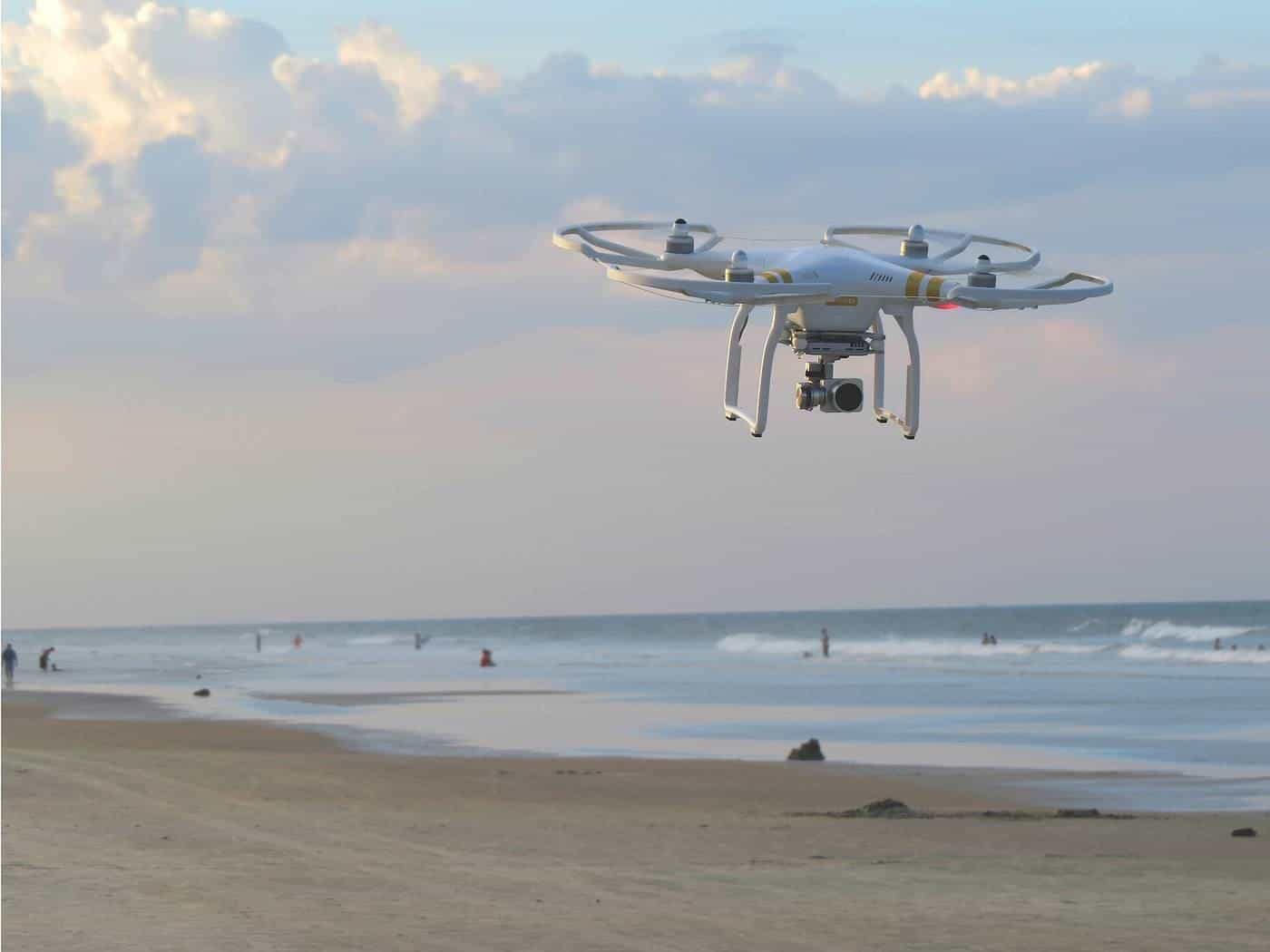
CASA's rules for recreational drone flying include:
- fly no higher than 120 m above ground level;
- keep at least 30 m away from other people;
- never fly over or above people, including at beaches, parks, events or sports grounds;
- keep your drone within visual line of sight, so you can see it with your own eyes at all times;
- fly only one drone at a time;
- fly only in daylight, and not through cloud or fog;
- don't fly in a way that creates a hazard to another aircraft, person or property;
- don't fly near emergency operations, such as firefighting or search and rescue, without approval;
- respect personal privacy and don't record or photograph people without their consent.
Airports and helicopter landing sites
Airports are the most important area to avoid. According to CASA:
- drones heavier than 250 g must not be flown within 5.5 km of a controlled airport (one with a control tower);
- drones weighing 250 g or less can be flown within 5.5 km of a controlled airport up to 45 m above ground, but not inside the airport boundary or in the approach and departure paths;
- near non-controlled airports and helicopter landing sites, don't fly in their vicinity if you become aware of manned aircraft nearby.
Many popular tourist areas are near airports, helipads and scenic flight routes. CASA-verified drone safety apps show where you can and can't fly.
National parks
Park agencies set their own rules, which apply on top of CASA's. For example:
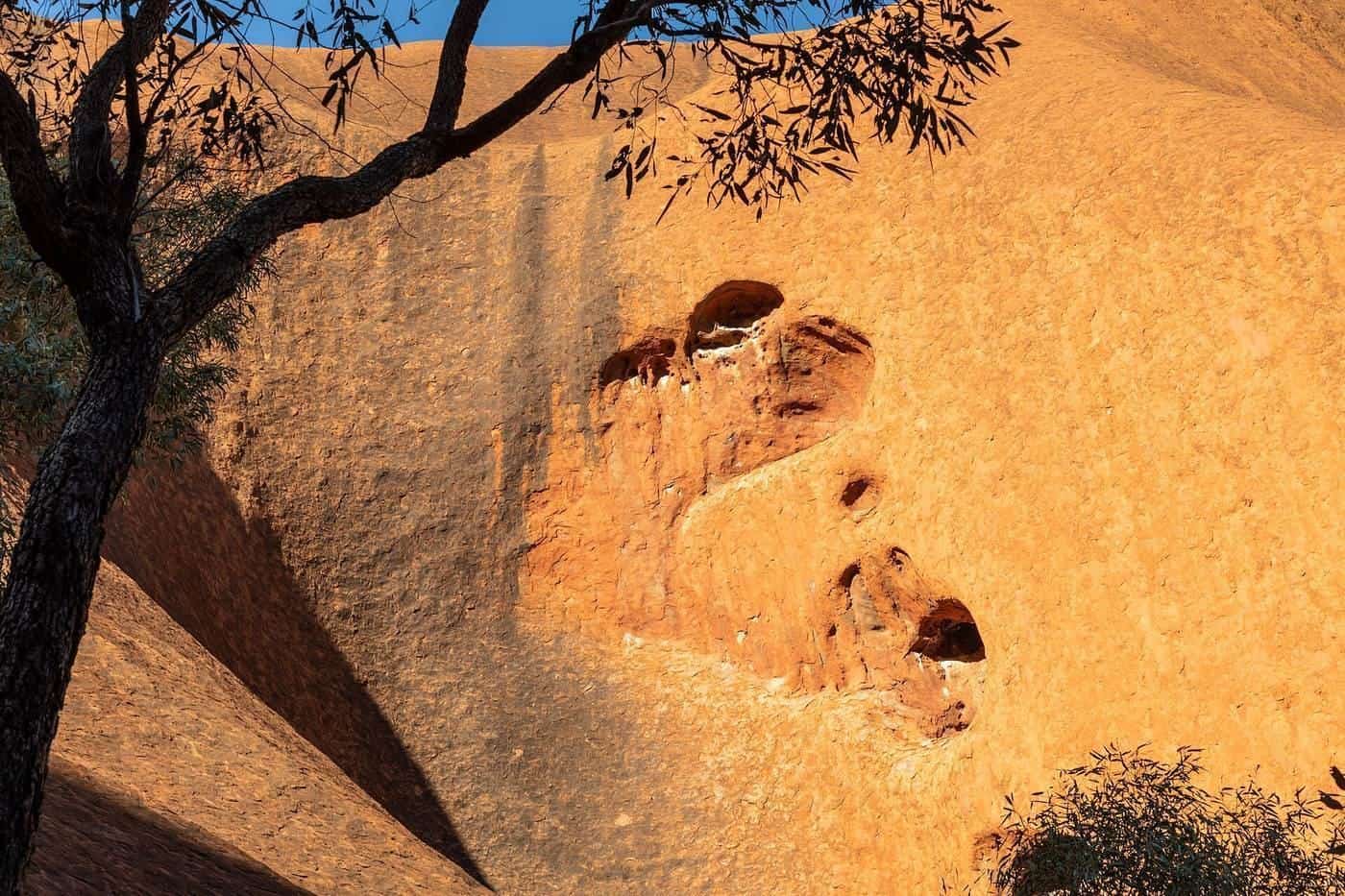
- At Uluṟu-Kata Tjuṯa National Park, Parks Australia says remote-controlled devices, including drones, aren't allowed. Operating a drone is an offence under the EPBC Act unless authorised by a permit.
- In NSW national parks, NSW Environment and Heritage's drones in parks policy says you need approval from the National Parks and Wildlife Service before operating a drone, including for recreation, and recreational use isn't permitted in drone exclusion areas.
- In Queensland parks, Queensland Parks and Forests explains when drones need a permit and where they're restricted.
Rules differ between states, parks and even different parts of a park. Check the managing agency's website before you fly, and look for signs at the park entrance.
Wildlife
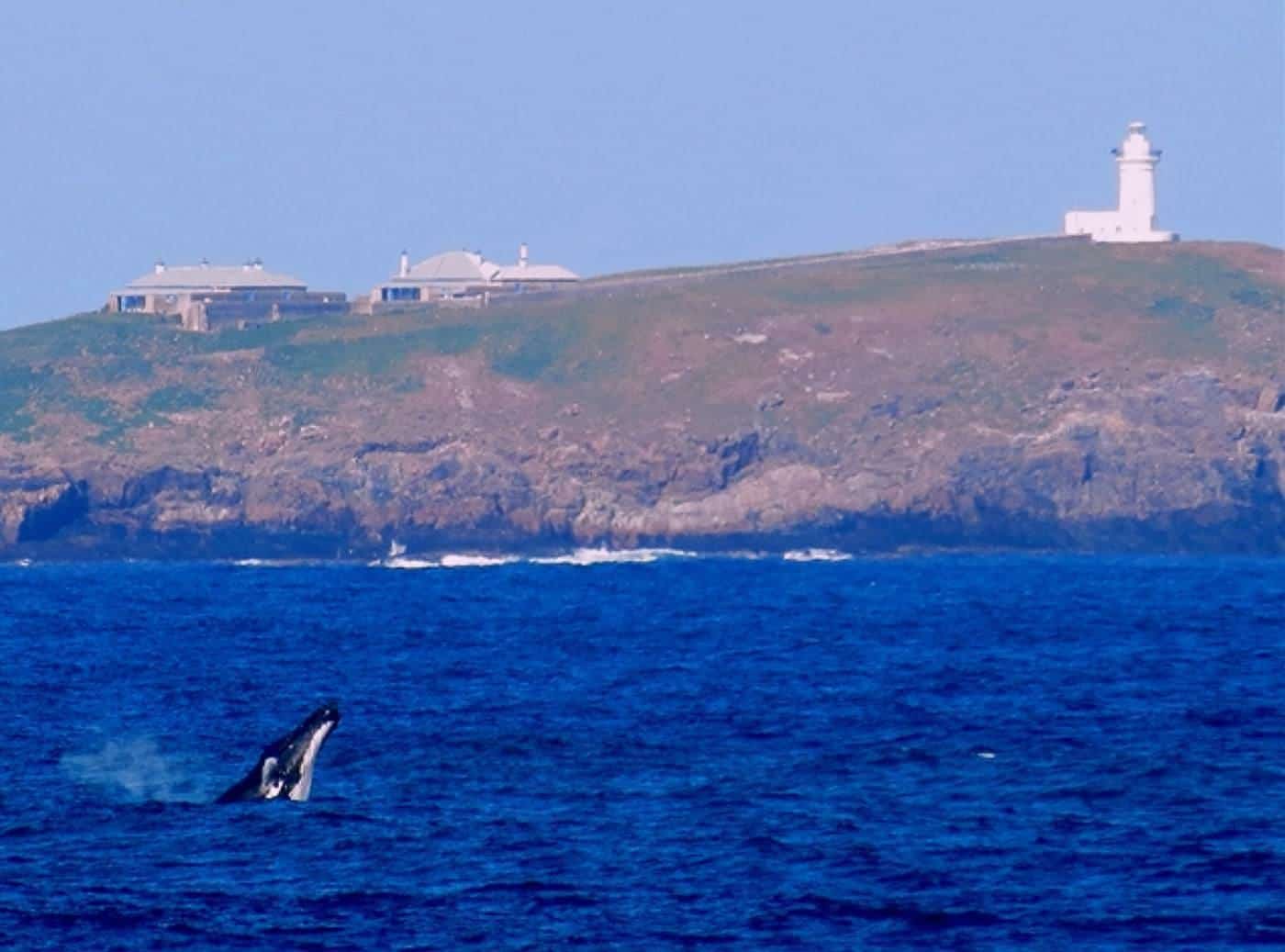
Drones can disturb and stress wildlife, especially nesting birds and marine mammals. In NSW, drones must stay at least 100 m from whales, according to NSW Environment and Heritage's approach distances. Other states have similar rules. Birds of prey sometimes attack drones, which can harm the bird and bring down the drone.
General tips:
- don't fly near nesting birds, seal colonies or roosting bats;
- stop flying if animals change their behaviour;
- never chase or follow wildlife with a drone.
See our guide to whale watching tours.
Drones on tours
If you want to fly a drone during a tour, ask the operator first. Many tours, especially on boats and in national parks, don't allow passengers to fly drones because of safety, permit conditions, other passengers' privacy and wildlife rules. Boats are also difficult places to launch and recover a drone. Some operators offer professional drone footage as an extra.
Privacy and respect
Popular places are full of people who've come to enjoy them. Drones can be noisy and intrusive. CASA's rules ask you to respect people's privacy, and state laws may also apply. Consider whether flying will spoil the experience for others, particularly at quiet lookouts, beaches and cultural sites.
Travelling with a drone
- Check your airline's rules for carrying drones and lithium batteries, which usually must be in carry-on luggage.
- Pack spare propellers and a protective case.
- Check whether your drone needs to be registered with CASA. Registration requirements depend on the drone's weight and how you use it, so check CASA's current rules.
- Check your travel insurance covers your drone and any liability.
Planning a flight
Before each flight:
- Check the location using a CASA-verified drone safety app.
- Check park and local rules, including signs.
- Check the weather, especially wind.
- Look for people, wildlife and aircraft.
- Plan your shots so you spend less time in the air.
Common mistakes travellers make
Many drone incidents involve visitors who simply didn't know the local rules. Common mistakes include:
- Flying from a hotel balcony or beach in a busy area, which often means flying over or near people;
- Launching near a scenic lookout that sits under a helicopter or seaplane flight path;
- Assuming a national park is open airspace, when many require approval or ban drones entirely;
- Losing sight of the drone while watching the screen, especially when filming behind cliffs or trees;
- Flying in strong coastal winds, which can carry a drone out to sea;
- Following wildlife to get closer footage.
Taking a few minutes to check an app, read the signs and look around before take-off avoids almost all of these.
Alternatives to flying your own drone
If the rules or conditions don't allow you to fly, there are other ways to get an aerial view. Scenic flights, helicopter rides and lookouts offer spectacular perspectives, and some tour operators include professional aerial footage or photos with permits to film. Many popular destinations also sell high-quality aerial images and videos. Sometimes simply enjoying the view without a screen is the best memory.
What happens if you break the rules
Breaching CASA's rules or park regulations can lead to fines, and in places like Uluṟu-Kata Tjuṯa, Parks Australia says penalties apply under the EPBC Act. More importantly, unsafe flying can injure people, disturb wildlife or endanger aircraft. If you see a drone being flown unsafely, you can report it to CASA.
Weather and conditions
Wind is the most common reason drones are lost, especially on exposed coasts, headlands and islands where gusts can be much stronger than at ground level. Check the forecast and your drone's wind limits, keep plenty of battery in reserve for the return flight, and avoid flying over water unless you're confident. Heat also affects batteries, so keep them shaded on hot days.
Key points
- Fly below 120 m, at least 30 m from people, never over people, and always within sight.
- Keep drones over 250 g at least 5.5 km from controlled airports.
- Drones aren't allowed at Uluṟu-Kata Tjuṯa National Park, and many other parks restrict them.
- Keep at least 100 m from whales in NSW, and don't disturb wildlife.
- Ask tour operators before flying a drone on a tour.
Frequently asked questions
What are the basic drone rules in Australia?
CASA’s rules include flying no higher than 120 m, keeping at least 30 m from people, never flying over people, keeping the drone in sight, flying only one at a time and only in daylight.
Can I fly a drone near an airport?
CASA says drones over 250 g must not be flown within 5.5 km of a controlled airport. Lighter drones can fly within 5.5 km up to 45 m, but not inside airport boundaries or in approach and departure paths.
Can I fly a drone in national parks?
Often not without permission. Park agencies have their own rules, and drones are not allowed at Uluṟu-Kata Tjuṯa National Park. Check before you fly.
Can I fly a drone near whales?
In NSW, drones must stay at least 100 m from whales. Other states have similar rules.
Do I need to register my drone?
CASA requires registration for some drones, depending on weight and use. Check CASA’s current rules before you fly.
Sources and further reading
Facts on this page were checked against these primary and official sources. Conditions change — confirm before you travel or buy.
- Drone rules — Civil Aviation Safety Authority
- Flying near airports — Civil Aviation Safety Authority
- Frequently asked questions — Parks Australia (Uluṟu-Kata Tjuṯa National Park)
- Approach distances for whales, dolphins and dugongs — NSW Environment and Heritage
- Drones in parks policy — NSW Environment and Heritage
- Drone safety and regulation — Queensland Parks and Forests