Australia has many wine regions within easy reach of its cities, along with craft breweries, distilleries, farm gates, markets and food trails. Food and drink tours take care of the driving and planning, and often get you behind the scenes. This guide explains how to choose a tour, how tastings work and how to enjoy the day responsibly.
No more than 4
Standard drinks on any day
NHMRC guidelines for healthy adults
No more than 10
Standard drinks a week
NHMRC guidelines
Tell them early
About dietary needs
When you book, not on the day
Types of food and drink tours
- Winery tours visit several cellar doors for tastings, often with lunch at a winery restaurant.
- Brewery and distillery tours show how beer, gin or whisky is made, with tastings.
- Food trails visit farm gates, cheese makers, chocolatiers, olive groves and markets.
- City food walks explore markets, laneways and restaurants on foot.
- Cooking classes and farm experiences let you get hands-on.
- Private or chauffeured tours let you choose the stops and pace.
Choosing a tour
Compare tours on:
- Number of stops. More stops isn't always better. Four cellar doors with time to enjoy them can beat six rushed visits.
- Time at each stop. Check how long you'll have, and whether tastings are relaxed or hurried.
- Group size. Smaller groups often get more attention from cellar door staff.
- Inclusions. Check whether tasting fees, lunch, cheese platters and pick-ups are included.
- Style. Some tours focus on education and boutique producers, others on a fun social day.
- Pick-up points. Many tours collect from city hotels or regional towns.
Our tour value comparer helps you compare the cost of tours with different inclusions and durations.
Tasting etiquette
Cellar doors are welcoming places, and you don't need to be an expert. A few tips:
- Start light. Tastings usually progress from sparkling and white wines to reds and fortified wines.
- Spit or tip. Using the spittoon or dump bucket is normal and polite. It lets you taste more without drinking too much.
- Ask questions. Staff love talking about their wines and the region.
- Pace yourself. Drink water between tastings and eat regularly.
- Buying is optional. Many cellar doors charge a small tasting fee, sometimes refunded with a purchase, but there's no obligation to buy.
Drinking responsibly
The National Health and Medical Research Council (NHMRC) publishes the Australian guidelines to reduce health risks from drinking alcohol. For healthy adults, it recommends drinking no more than 10 standard drinks a week and no more than 4 standard drinks on any one day. It also says that the less you drink, the lower your risk of harm. For people under 18, and for women who are pregnant, planning a pregnancy or breastfeeding, it recommends not drinking alcohol at all.
On a tasting tour, small pours add up. To keep track:
- remember that a standard drink is less than many people think;
- spit or tip tastings you don't love;
- eat a good breakfast and lunch;
- drink plenty of water, especially in hot weather;
- skip a stop or two if you've had enough.
Moneysmart warns that an insurer might decline a claim if you were drunk at the time of an incident. See our guide to travel insurance for tours.
Don't drink and drive
The biggest advantage of a tour is not having to drive. If you're visiting wine regions independently, choose a designated driver who doesn't drink, or book a local transfer. Drink-driving laws apply throughout Australia, and alcohol can stay in your system longer than you expect, so think about the next morning too.
Heat and wine regions
Many wine regions are hot in summer. Alcohol and heat together can lead to dehydration. Wear a hat and sunscreen, drink water and take breaks in the shade. See our guide to sun and heat on tours.
Dietary needs and allergies
Food tours can accommodate many dietary needs, but they need notice. When you book, tell the operator about:
- food allergies, including severity;
- vegetarian, vegan, halal, kosher or gluten-free requirements;
- intolerances you'd like considered.
Carry any medication you need, such as an adrenaline autoinjector, and make sure someone in the group knows how to use it.
Buying and shipping wine
If you buy wine, ask whether the tour has space to carry it and whether the winery can ship it home. If you're flying, check your airline's rules for carrying alcohol in luggage. International visitors should check what they can take home.
Seasons and events
Wine regions are busy during harvest (vintage), usually late summer and autumn, and during food and wine festivals. These can be fun times to visit but also crowded. Weekdays are generally quieter than weekends. Book ahead for popular times.
Booking and cancellations
Read the operator's cancellation policy before you book. According to the ACCC, consumer guarantees apply to tours, but you aren't entitled to a refund under them if you change your mind. See our guide to bookings, cancellations and refunds.
Understanding a standard drink
In Australia, a standard drink is any drink containing 10 grams of alcohol. The number of standard drinks in a glass depends on its size and the alcohol content of the wine, beer or spirit, so a generous pour of a strong red can be well over one standard drink. Bottles and cans sold in Australia show the number of standard drinks on the label. At tastings, pours are small, but over a day of four or five cellar doors with several wines at each, they quickly add up. Keeping a rough count, and tipping out what you don't love, makes it much easier to stay within the guidelines.
Making the most of the day
A good food and drink tour is about more than tasting. Take time to look around: many wineries have beautiful gardens, galleries or views, and growers and makers are often happy to explain their process. Take notes or photos of the labels you enjoy, so you remember them later. Ask your guide for tips on local restaurants, markets and producers you could visit on another day. And remember that you don't have to like everything; working out what you don't enjoy is part of discovering what you do.
Accessibility
If you have mobility needs, ask about vehicle access, steps at venues and how much walking is involved. Many cellar doors are accessible, but some are in historic buildings or on hillsides. A private tour can make it easier to choose suitable stops.
Picking a region
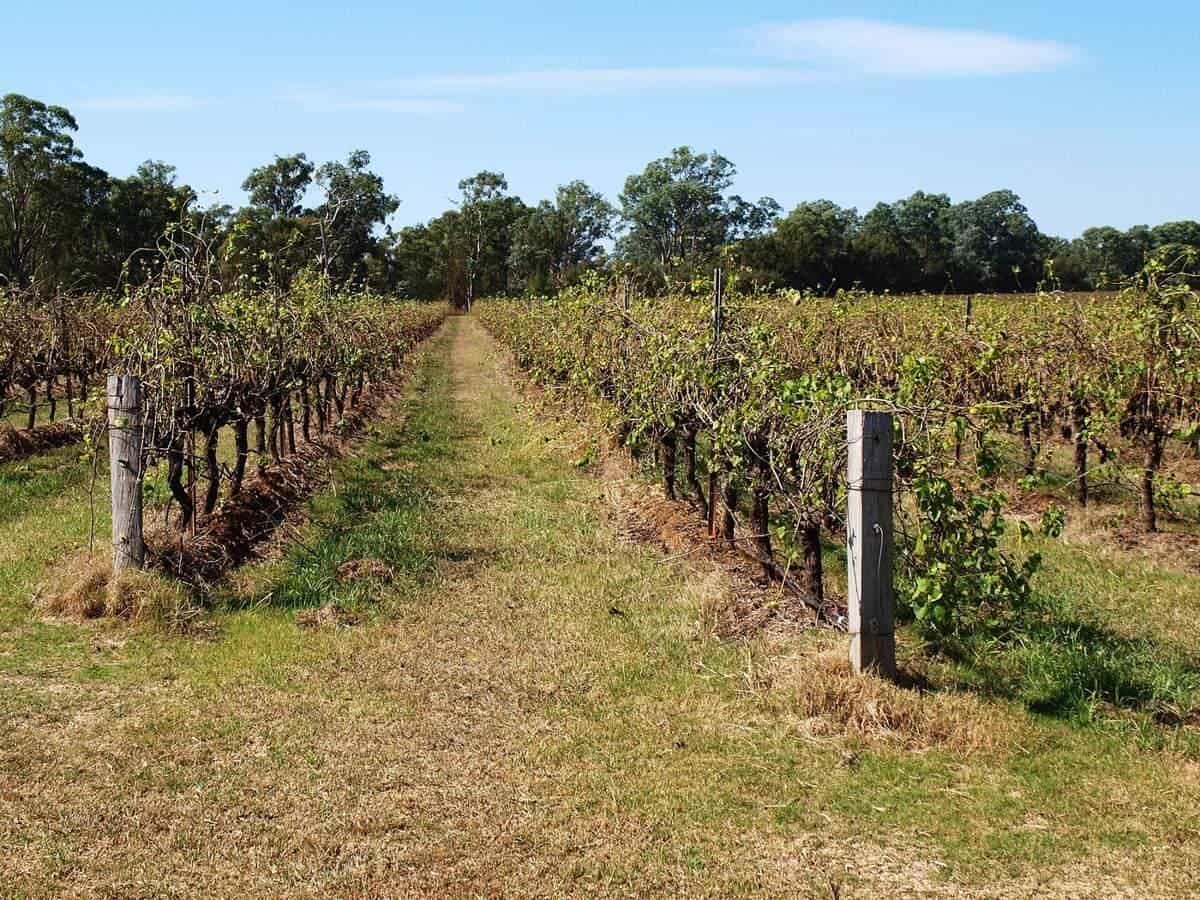
Australia's wine regions each have their own character, from cool-climate areas known for sparkling wine and pinot noir to warmer regions famous for full-bodied reds. If you're not sure where to start, choose a region close to where you're staying, so less of the day is spent travelling, and look for a tour that visits a mix of large and small producers. Ask your guide what each region is known for and what grows well there; it makes the tastings far more interesting.
Key points
- Choose tours with a manageable number of stops and enough time at each.
- Spitting and tipping are normal and help you pace yourself.
- NHMRC guidelines recommend no more than 4 standard drinks on any day and 10 a week.
- Never drink and drive; let the tour handle transport.
- Tell the operator about dietary needs and allergies when you book.
Frequently asked questions
Why take a tour instead of driving?
A tour means nobody has to stay sober to drive, and a local guide often knows which cellar doors suit your tastes.
How much should I drink on a wine tour?
The NHMRC guidelines say healthy adults should drink no more than 10 standard drinks a week and no more than 4 on any one day to reduce the risk of harm.
Do I have to drink everything I’m poured?
No. Spitting and using the dump bucket are normal at tastings and let you try more wines without drinking too much.
Are food tours suitable for people with allergies?
Many are, but tell the operator about allergies and dietary needs when you book so venues can prepare.
Can children go on wine tours?
Some tours welcome families, while others are adults only. Check the operator’s policy.
Sources and further reading
Facts on this page were checked against these primary and official sources. Conditions change — confirm before you travel or buy.
- Alcohol — National Health and Medical Research Council
- Travel insurance — Moneysmart (ASIC)
- Travel delays and cancellations — ACCC