Disclosure: some links on this page are affiliate links. If you book or buy through them we may earn a commission, at no extra cost to you. It never affects what we recommend. How we make money.
The humpback highway
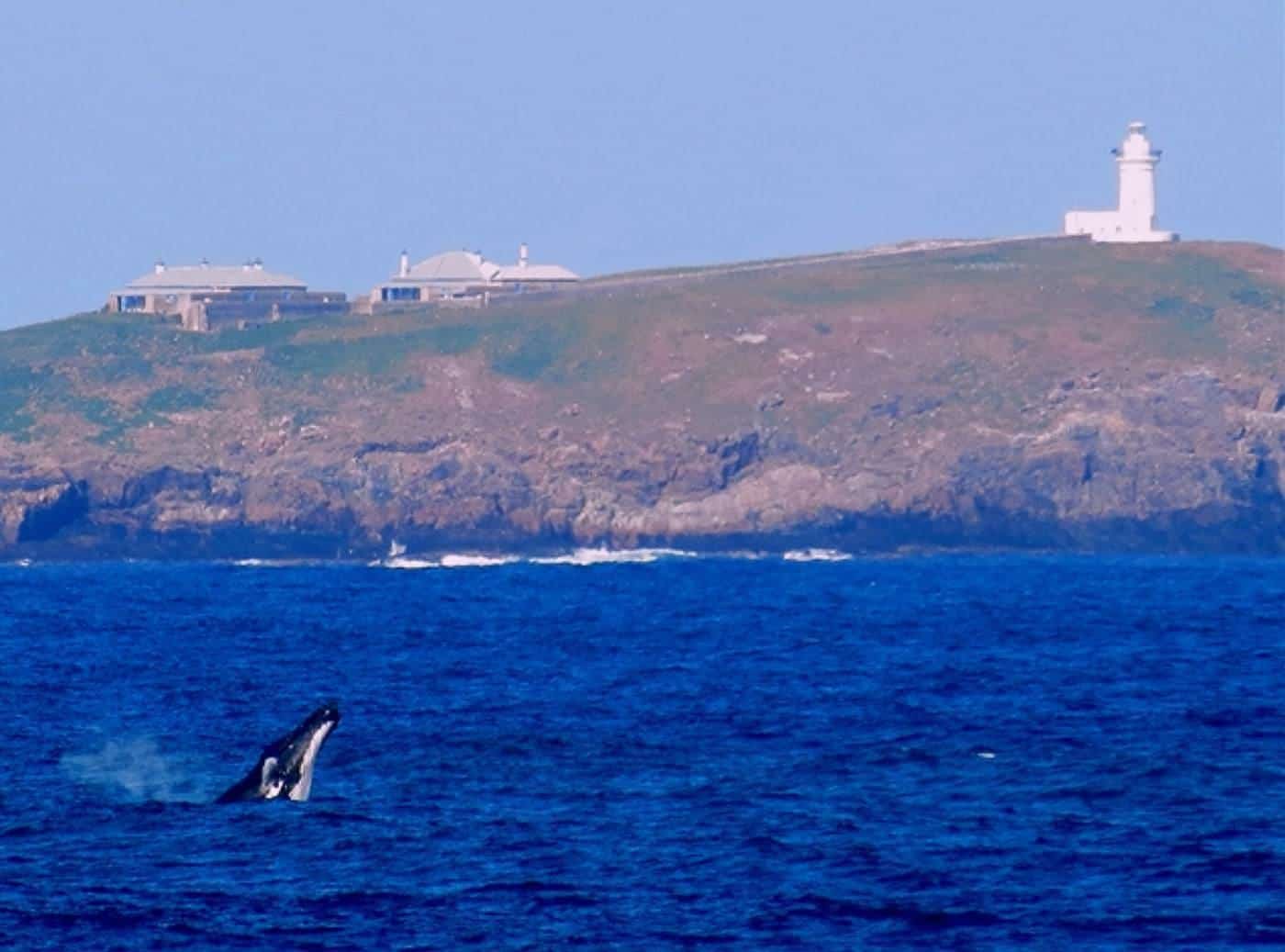
Between May and November, an estimated 40,000 humpback whales migrate along Australia's east coast between Antarctica and their breeding grounds in the Great Barrier Reef lagoon. The Gold Coast sits directly on this corridor — locals call it the humpback highway — and whales regularly pass within a few kilometres of the beach. That proximity means short run-times to the action and one of Australia's most reliable whale watching seasons.
Cruise types compared
Standard catamaran cruises are the most affordable and stable option, departing Main Beach and the Broadwater several times daily in season. Small-group vessels carry fewer passengers and can position more carefully around resting pods. Luxury cruises add meal service and premium viewing decks. Swim-with-whales experiences put you in the water alongside the animals under strict licensing conditions — a genuinely once-in-a-lifetime encounter.
What you'll see
Early season (June to July) brings competitive male pods — breaching, tail-slapping and heat runs. Late season (September to October) is calving time: mothers escort newborn calves south, often resting in the shelter of the Broadwater. Bottlenose dolphins and green turtles are common year-round bycatch of the good kind.
Practical tips
Book morning departures for the calmest water. Bring a windproof jacket — it's cooler offshore — and polarised sunglasses for spotting blows against the glare. Most operators guarantee a sighting in peak season and offer a free return trip if whales don't show.
Frequently asked questions
Which month is best for whale watching on the Gold Coast?
The humpback migration runs from late May to early November. Peak sightings on the Gold Coast are typically June to August, when whales pass close to shore heading north, and September to October when mothers and calves return south.
Where is the best place to see whales on the Gold Coast?
Whale watching cruises depart from Main Beach, Surfers Paradise and the Broadwater. The whales travel along the 'humpback highway' just offshore, so sightings happen within 20 to 30 minutes of leaving the seaway.
Can you swim with whales on the Gold Coast?
Yes. Licensed operators offer swim-with-whales experiences where snorkellers enter the water near resting humpbacks under strict approach rules. These are small-group trips and book out quickly in season.
How long are Gold Coast whale watching cruises?
Most cruises run 2.5 to 3.5 hours. Morning departures often have calmer conditions, while afternoon trips catch active surface behaviour in the golden light.
Will I get seasick?
The Gold Coast seaway is sheltered, but open water can be choppy. Take motion-sickness medication 30 to 60 minutes before departure, stay on deck in the fresh air and watch the horizon if you feel queasy.
Sources and further reading
Facts on this page were checked against these primary and official sources. Conditions change — confirm before you travel or buy.
- Whale watching in Queensland — Tourism and Events Queensland
- Humpback whale — Department of Climate Change, Energy, the Environment and Water
- Marine wildlife approach distances — Queensland Government